
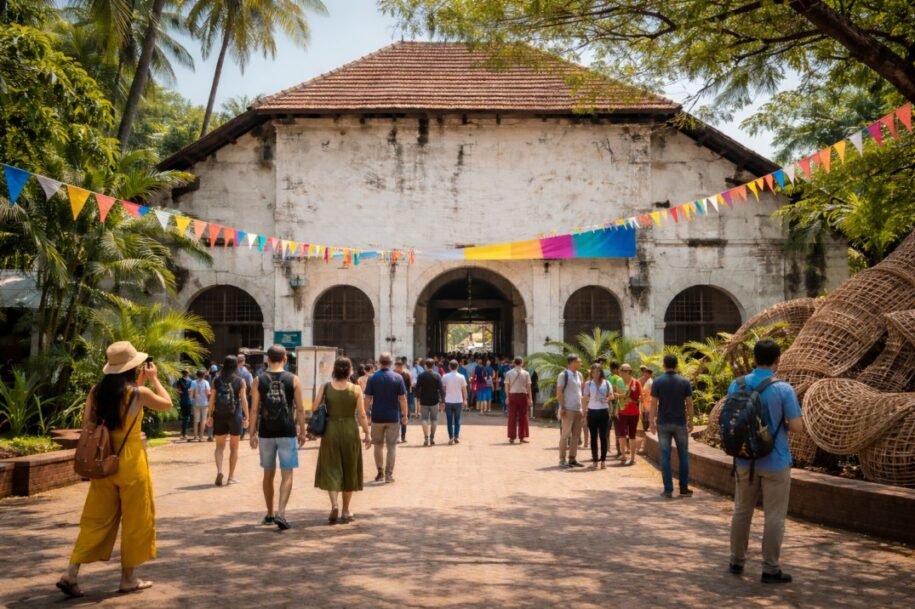
The sixth Kochi Muziris Biennale opens December 12 and runs through March 31, 2025. Nikhil Chopra curated this edition with HH Art Spaces. There are 66 artist projects from over 25 countries showing across Fort Kochi.
Most people don’t realise how spread out the Biennale is until they arrive. The venues are scattered across Fort Kochi and Mattancherry. You’ll walk a lot. Here’s how to actually plan your time.
What You Should Know First
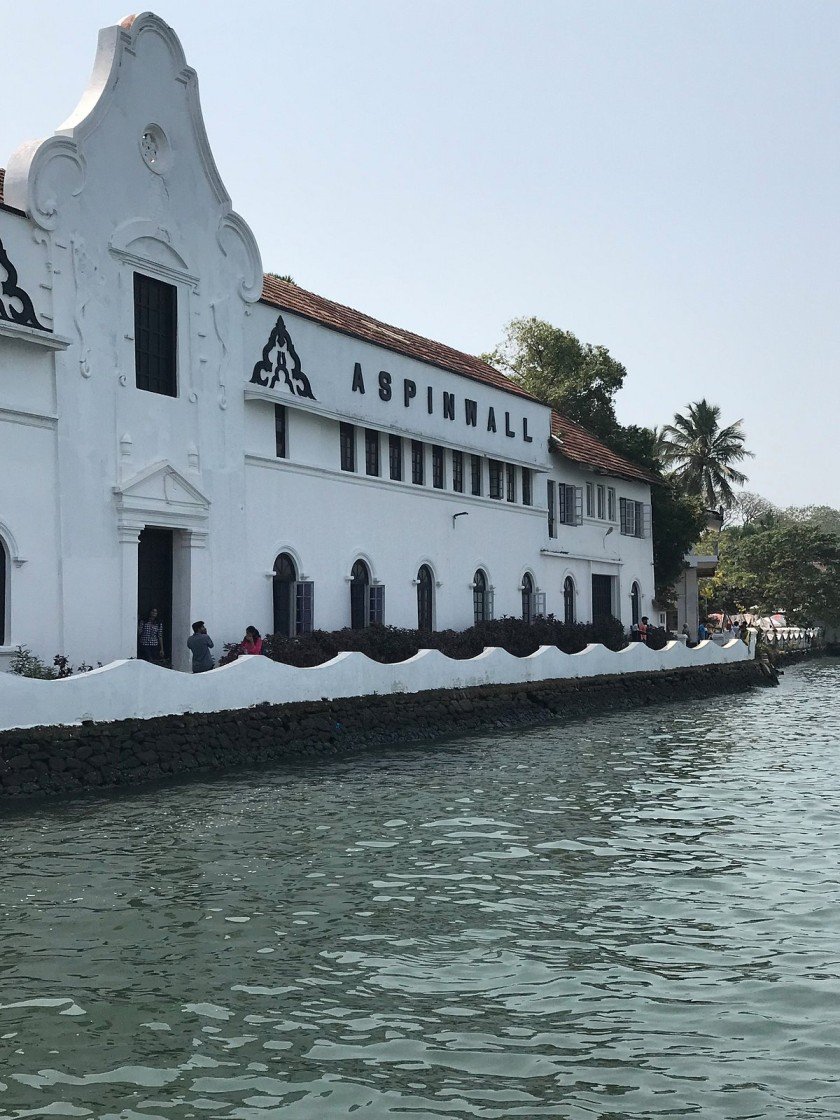
The Biennale uses existing buildings: old spice warehouses, colonial structures, some public spaces. Main venues include Aspinwall House, Pepper House, and Cabral Yard. Walking between them takes longer than it looks on a map.
Most venues are free or charge very little. Some special exhibitions might cost extra. Check the website before you go.
Fort Kochi gets hot. Even in December and January, you’ll need water and sunscreen. The buildings have AC, but you’re outside between them.
Day One: Figure Out the Layout
Go to Aspinwall House first. It’s one of the bigger venues and gives you a sense of what the Biennale is doing. Plan for two hours minimum. The building used to store spices, which explains the massive open spaces.
Walk to Pepper House next. The route goes through Fort Kochi’s streets. You’ll pass the Chinese fishing nets, colonial buildings, small shops. This becomes part of the day rather than just getting from point A to point B.
Pepper House shows a lot of video and performance work. Check what’s scheduled for the day you’re visiting. If there’s a performance, time your visit around it.
Lunch is easy to find around Princess Street. Kerala food is excellent here. Get the fish curry.
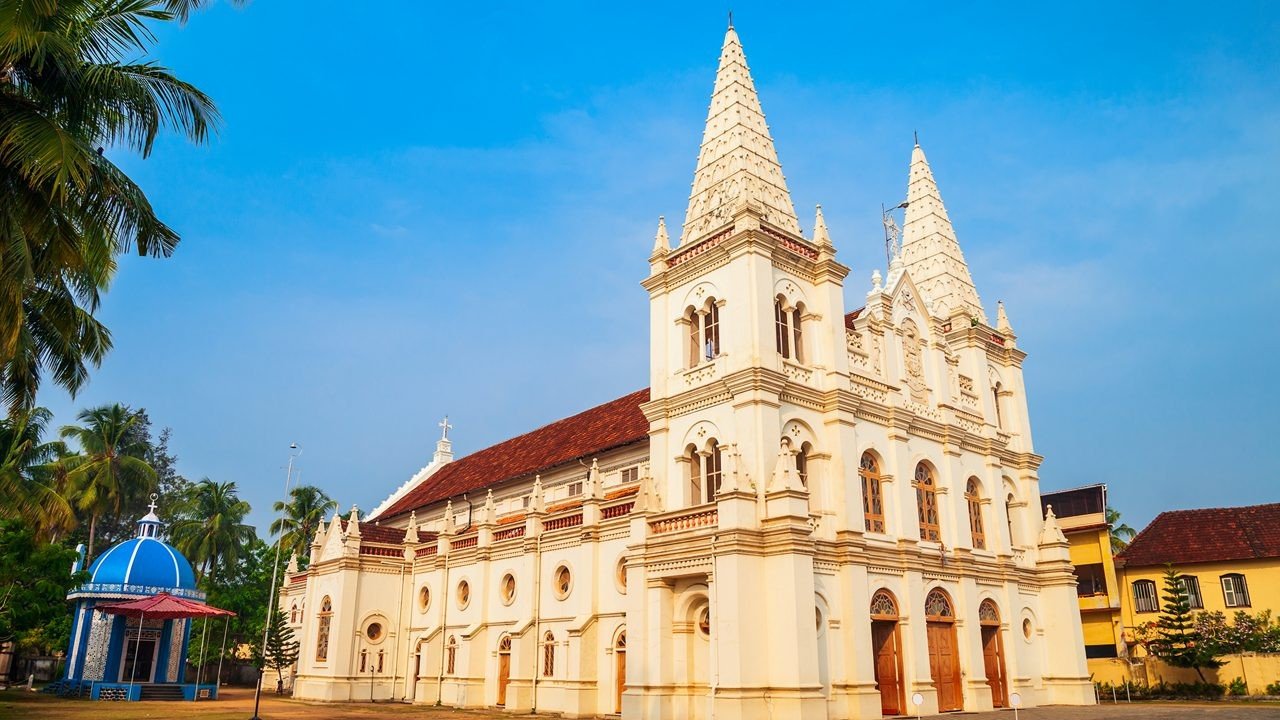
After lunch, head to Cabral Yard if it’s open. Some smaller venues keep irregular hours. Then spend time just walking Fort Kochi. Santa Cruz Basilica and St. Francis Church are worth seeing. The Chinese fishing nets work best early morning or late afternoon if you want to watch the whole process.
Many venues stay open until 7 or 8 PM. Go back to anywhere you want more time at, or catch an evening program. Fort Kochi has cafes where people connected to the Biennale tend to show up. The overheard conversations can be as interesting as the wall texts.
Day Two: Actually Look at the Art
Start earlier. Smaller venues are quieter in the morning.
Pick a venue you rushed through yesterday or skipped entirely. The Biennale repays slow viewing. Sit through video installations. Read the texts. Notice how the art responds to the buildings it’s in.
Go to an artist talk if one’s scheduled. These run regularly and explain a lot about what you’re looking at. They’re announced on the website and posted at venue entrances.
Many artists come from Asia, Africa, Latin America. The work often deals with climate, migration, memory, colonial history. Knowing this helps.
Try a different lunch spot. Mattancherry, near the Jewish quarter, has restaurants in old buildings. It’s about a 20 minute walk from Fort Kochi.
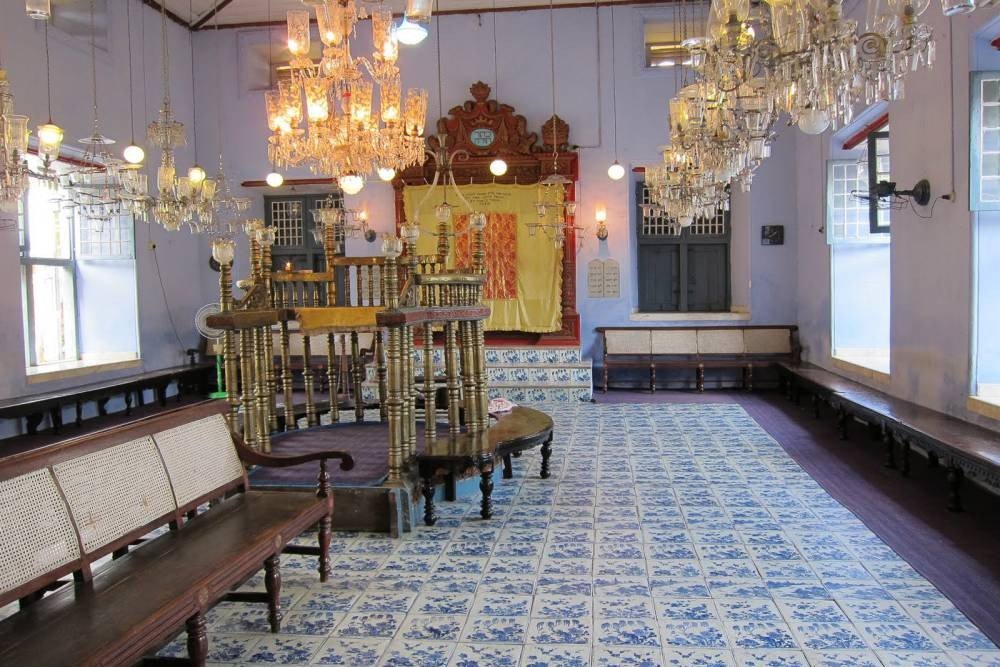
Spend the afternoon in Mattancherry. The Paradesi Synagogue and Jew Town antique shops are there. Some Biennale venues are in this area too. The whole neighborhood connects to the same trade networks the Biennale keeps referencing.
If you’re tired of art, take a break. Walk along the water. Watch the ferries. Fort Kochi moves slowly, and sometimes observation beats more viewing.
Evening programs, if available, include film screenings and performances. Worth checking the schedule.
Day Three: Choose Your Direction
By now you’ve seen a lot. Day three can go two ways.
Keep Going With the Biennale
If you’re into it, finish the circuit. Some people find that seeing venues twice, on different days, shows them things they missed. Your energy level changes. The crowd changes. What you’ve learned changes how you see.
There are also public installations and collaborative projects that aren’t obvious at first. Ask venue staff what else is happening.
Go to the Backwaters
Alleppey is 53 kilometers away. Takes about 90 minutes. After two days of concentrated art viewing, the backwaters are completely different.
Luxury houseboats run day trips (4 to 6 hours) and overnight stays. Spice Routes operates these and avoids the tourist packed channels.
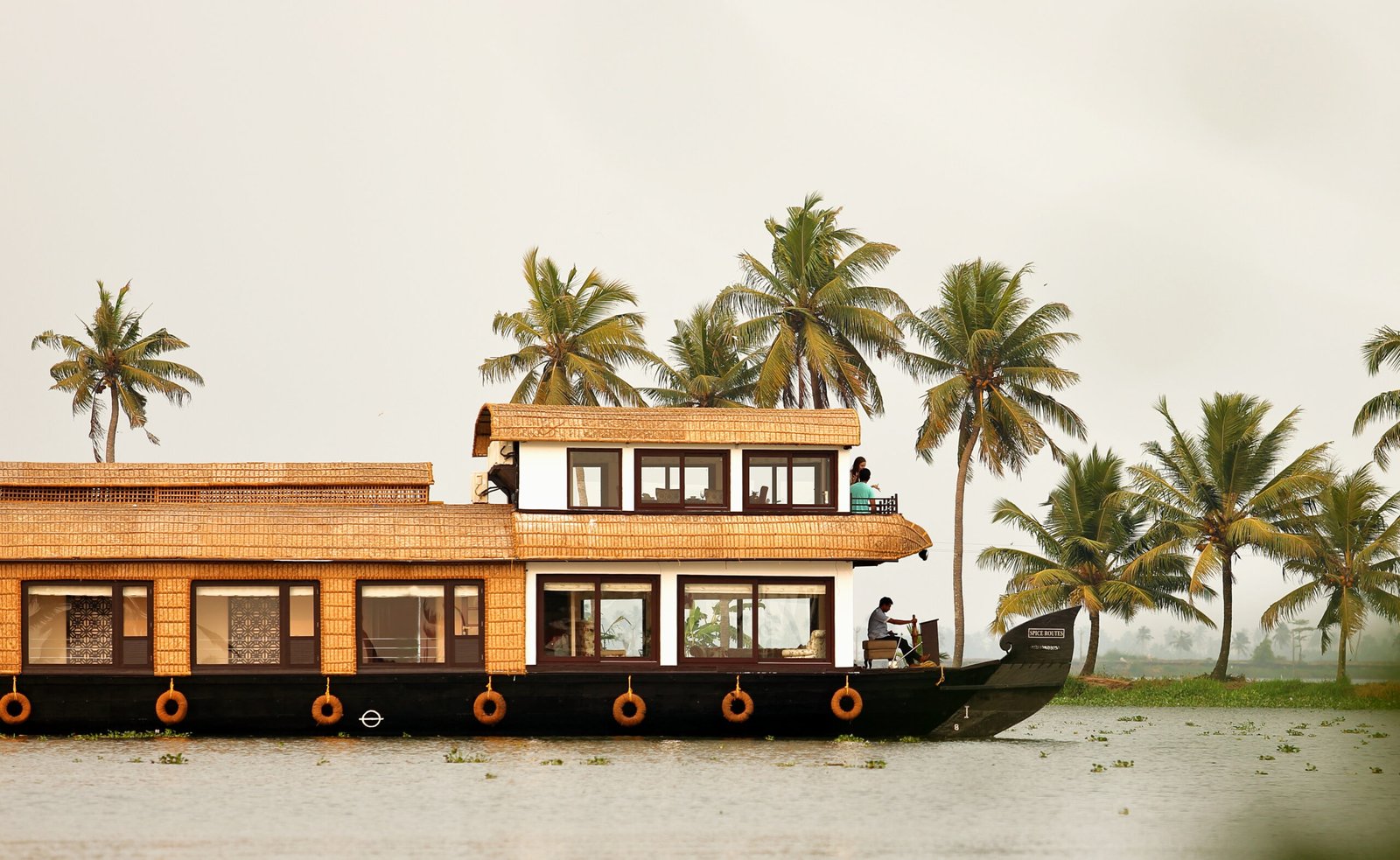
Day cruises leave mid morning. You’re back by evening. You move through canals. Village life happens along the banks. Lunch gets made on board, Kerala style with local ingredients. The point is watching, not doing. Water, palms, rice fields, temples, daily routines at the water’s edge.
Overnight trips give you sunset and sunrise on the water. The boat anchors somewhere quiet. Mornings have mist. It’s actually silent. After the Biennale’s mental demands, the backwaters ask nothing of you.
Houseboats used to transport rice. Now they carry tourists but use the same routes. Spice Routes and other good operators prioritize real routes over crowded ones.
If you go to the backwaters, you skip day three at the Biennale. That’s fine. Two days covers the main venues thoroughly. Day three becomes about Kerala’s landscape and how people actually live here, which matters just as much for understanding the place.
Day Four: Kochi Without the Art
If you stay a fourth day, see Kochi outside the Biennale.
Mattancherry Palace has Ramayana and Mahabharata murals. The building and the art history justify going.
The spice markets near Broadway are working markets. The smell alone is worth it. Cardamom, pepper, cloves, turmeric sold by the kilogram or ton. The historical spice trade becomes real here.
Bolgatty Palace sits on Bolgatty Island. Take the ferry. The island has quiet walks and harbor views. The palace is now a hotel but the grounds are open.
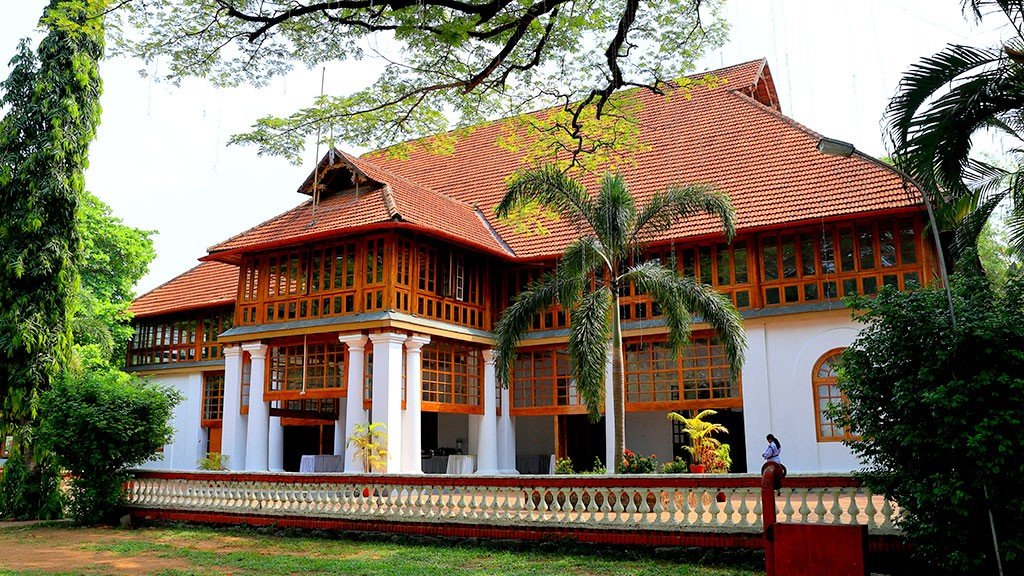
Ernakulam, across the water, is where modern Kochi operates. Malls, restaurants, businesses. The contrast with Fort Kochi shows you what preservation actually means. The ferry between them runs all the time, costs almost nothing, and the water views are excellent.
Planning Details
Where to Sleep
Fort Kochi has heritage hotels in old colonial buildings, regular guesthouses, cheap places. Staying here means you walk to venues. It gets crowded during peak Biennale time. Book ahead.
Ernakulam has more options and lower prices. You’ll need the ferry or taxi to reach Fort Kochi. The ferry runs constantly and has atmosphere. Taxis deal with bridge traffic.
Moving Around
Walk for most Fort Kochi distances. Auto rickshaws handle longer trips when you’re tired. Settle the fare before you get in.
Ferries between Ernakulam and Fort Kochi run frequently. Locals use them. You should too.
For Alleppey or other outside trips, hire a car or taxi. You need the flexibility.
Eating
Kerala food matters. Fish curry, appam, stew, puttu, beef fry, parotta and curry. All good. Fort Kochi has restaurants at different price levels.
Street food exists. Use normal judgment. Banana chips and pazham pori are safe.
Fort Kochi’s coffee has gotten good over the last few years. Several places roast their own beans. The coffee scene here competes with bigger Indian cities.
Timing Your Visit
December and January bring the most people. February and March are calmer but hotter. If specific programs or artist talks matter to you, check the schedule and book around them.
Weekends are busier. Weekdays mean fewer people at venues.
Other Places to Add
Kerala has options beyond the backwaters if you have time.
Munnar, about 4 hours away, is a hill station with tea plantations. The drive shows changing landscapes and elevation. Cool weather, hiking, completely different from coastal Kochi.
Athirapally Falls, about 2 hours, is Kerala’s biggest waterfall. Forests around it support wildlife. Works as a day trip.
Thekkady, about 4.5 hours, has spice plantations and Periyar Wildlife Sanctuary. Boat rides there sometimes spot elephants, bison, birds.
These add days. The Biennale alone is worth the trip, but Kerala rewards longer visits.
Ways to Structure Your Trip
Three Days, Art Focused
Day 1: Aspinwall House, Pepper House, Fort Kochi streets
Day 2: Other venues, artist talk, Mattancherry
Day 3: Return to favorites, attend programs, or cover missed spots
Three Days, Mixed
Day 1: Main venues (Aspinwall, Pepper House)
Day 2: Finish venues, explore Mattancherry
Day 3: Backwater day cruise with Spice Routes, back to Kochi evening
Four Days
Day 1: Biennale venues, Fort Kochi
Day 2: More venues, programs, Mattancherry
Day 3: Backwater overnight on luxury houseboat, back afternoon
Day 4: Kochi exploration (spice markets, Mattancherry Palace, Ernakulam ferry)
Five Days
Day 1: Arrive, settle, evening Fort Kochi walk
Day 2: Major venues
Day 3: Complete circuit, attend programs
Day 4: Backwater overnight
Day 5: Back from backwaters, final Kochi time or Athirapally day trip
What Actually Matters
The Biennale needs time. Running through venues to say you saw them defeats the purpose. The art deserves attention. The conversations around it matter. How installations use Fort Kochi’s history and buildings adds layers.
But the Biennale isn’t the whole story. Kerala’s landscape, food, daily reality provide context. The contemporary art responds to this place, its past, its present. Understanding that changes how you view the work.
Mix serious art time with actual breaks. The backwaters work for this. So does sitting in a Fort Kochi cafe watching the street.
You came because contemporary art interests you, or Kerala does, or both. The Biennale handles the art part. Kerala handles everything else. Plan for both.
Basic Information
Kochi Muziris Biennale: December 12, 2024 to March 31, 2025
Main venues: Aspinwall House, Pepper House, Cabral Yard, others in Fort Kochi and Mattancherry
Entry: Free or low cost at most venues
Website: Check for programs, talks, events
Backwater Trips: Book luxury houseboats at spiceroutes.in
Leave a Reply