
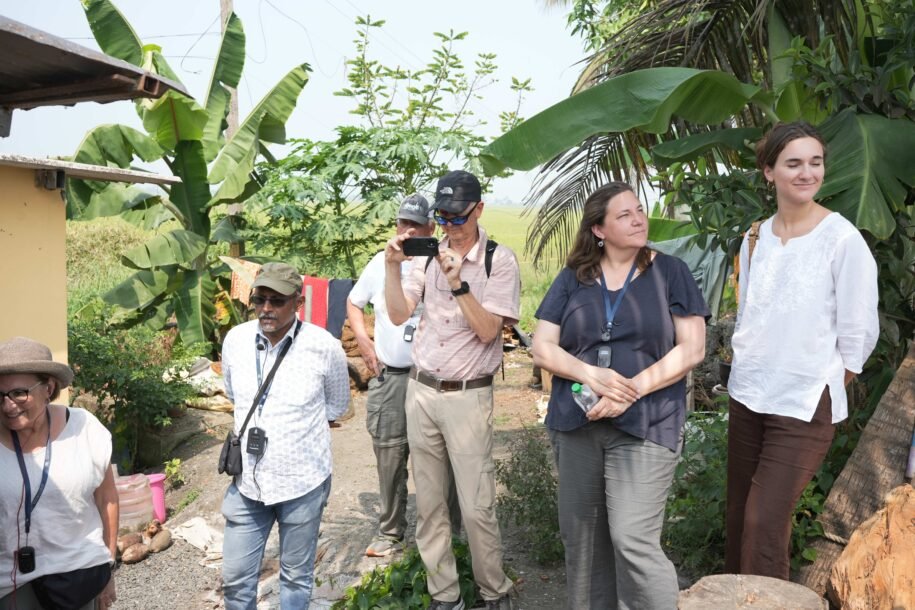
The backwaters aren’t empty landscape. People live here. Fish here. Work rice paddies. Run shops. Send kids to school by boat. Daily life happens along the canals whether tourists visit or not.
Most houseboat trips keep you on the water. You see villages from a distance. Maybe wave at people on the banks. That’s it.
Spice Routes operates differently. Part of their trips involve actually entering villages. Walking through them. Meeting people. Watching how life works here. Not as spectacle but as respectful observation.
This changes what you understand about the backwaters.
What Village Visits Actually Involve
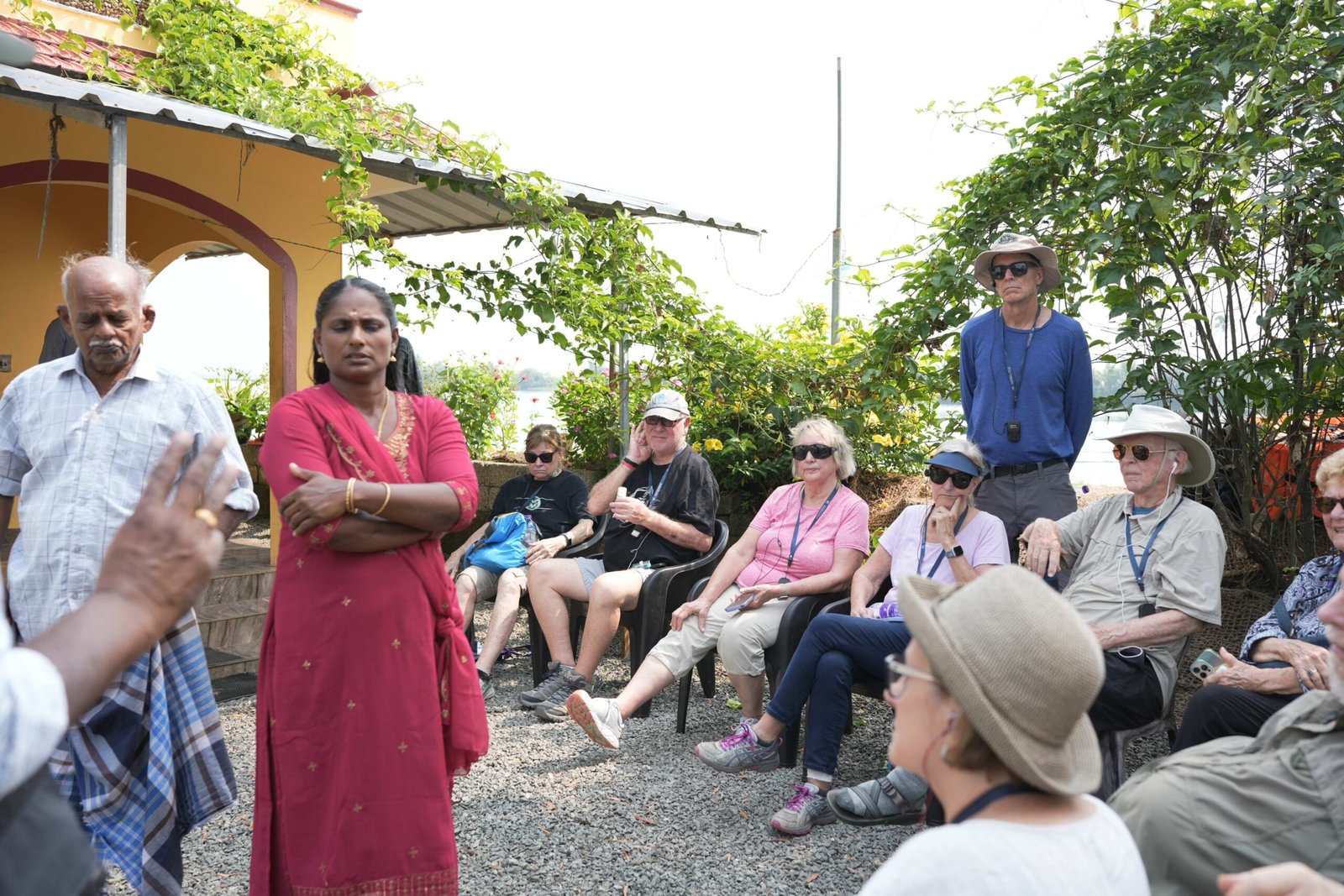
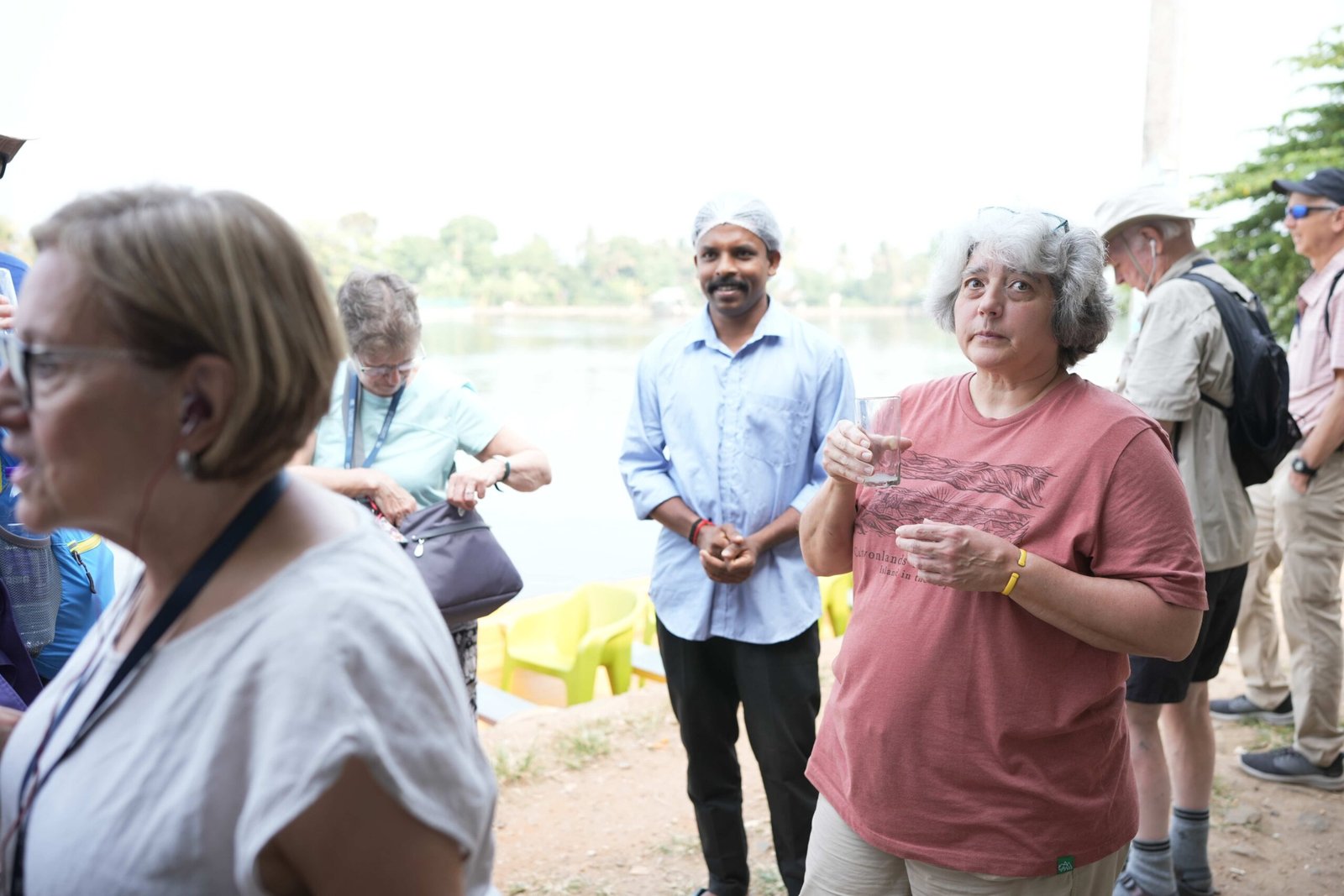
The visits are guided. A crew member who knows the village, speaks the language, has relationships with locals takes guests in small groups.
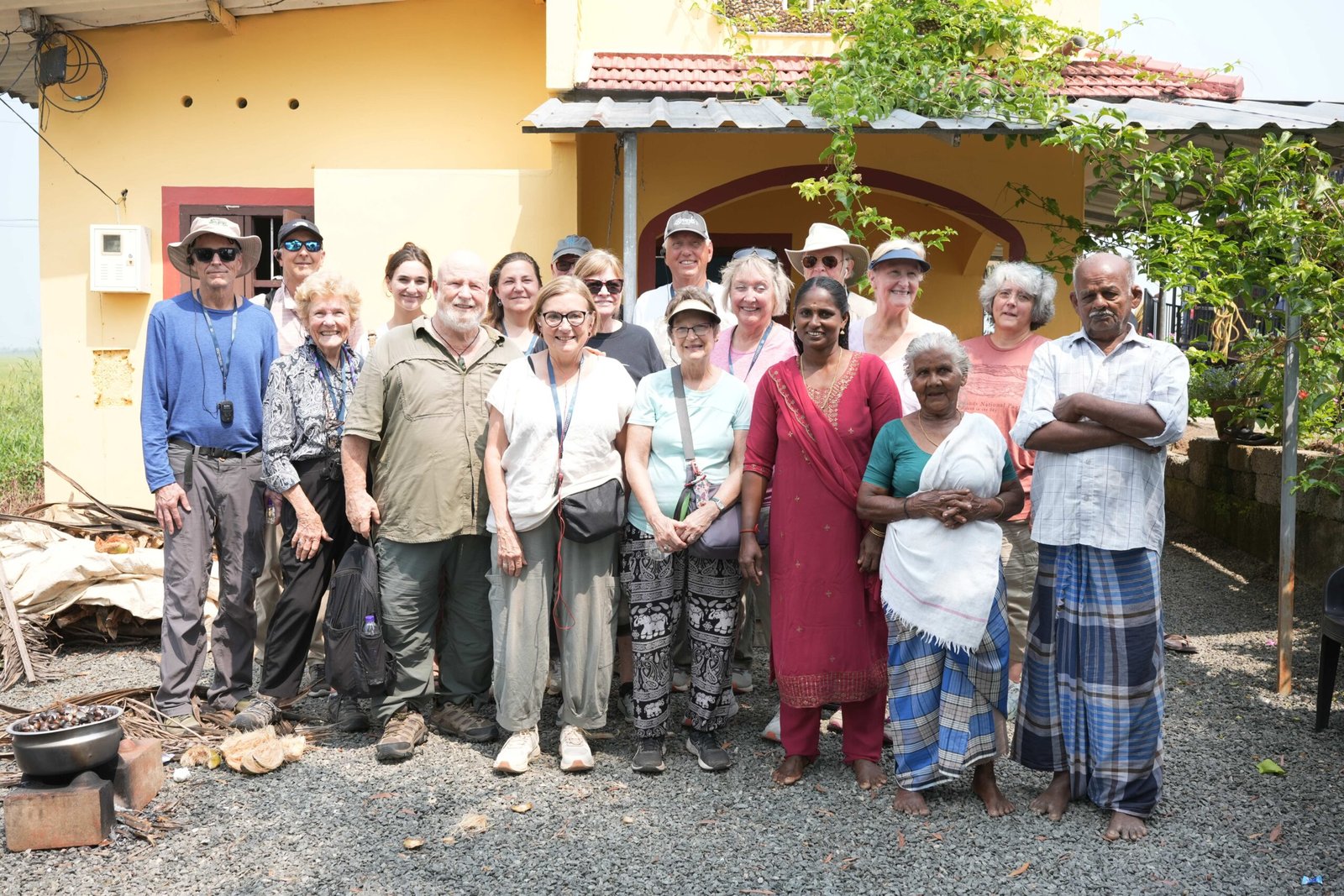
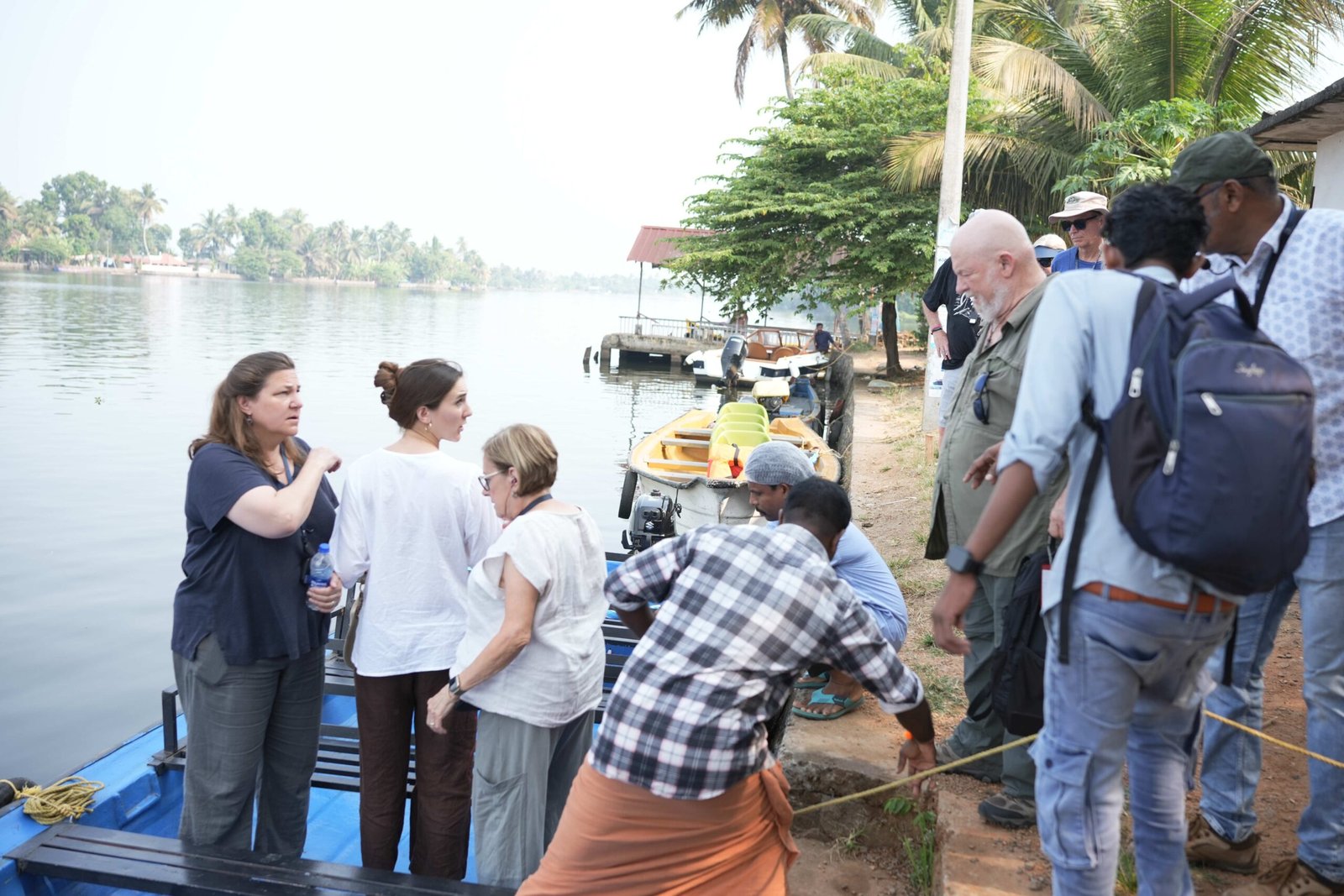
You leave the houseboat and either walk from a close docking point or take smaller boats through narrow canals that the main boat can’t navigate.
The group size stays small. Six to eight people maximum. Not bus tour crowds overwhelming a small village.
Duration runs an hour to two hours depending on what’s happening in the village that day and guest interest.
Walking Through Working Villages
The villages aren’t tourist sites. They’re residential areas where farming and fishing families live.
You walk narrow paths between houses. See how homes are built, how yards are used, how people organize their space near water.
Kids might be playing. Women washing clothes at the canal edge. Men repairing fishing nets. Elderly people sitting in shade. Normal daily activities.
The guide explains what you’re seeing. Why houses are built on stilts. How the monsoon affects life. What crops grow in different seasons. The explanation helps you understand rather than just looking.
Locals sometimes stop to talk. Not because they’re paid to interact with tourists but because the guide knows them and conversation happens naturally.
Small Boat Canal Rides
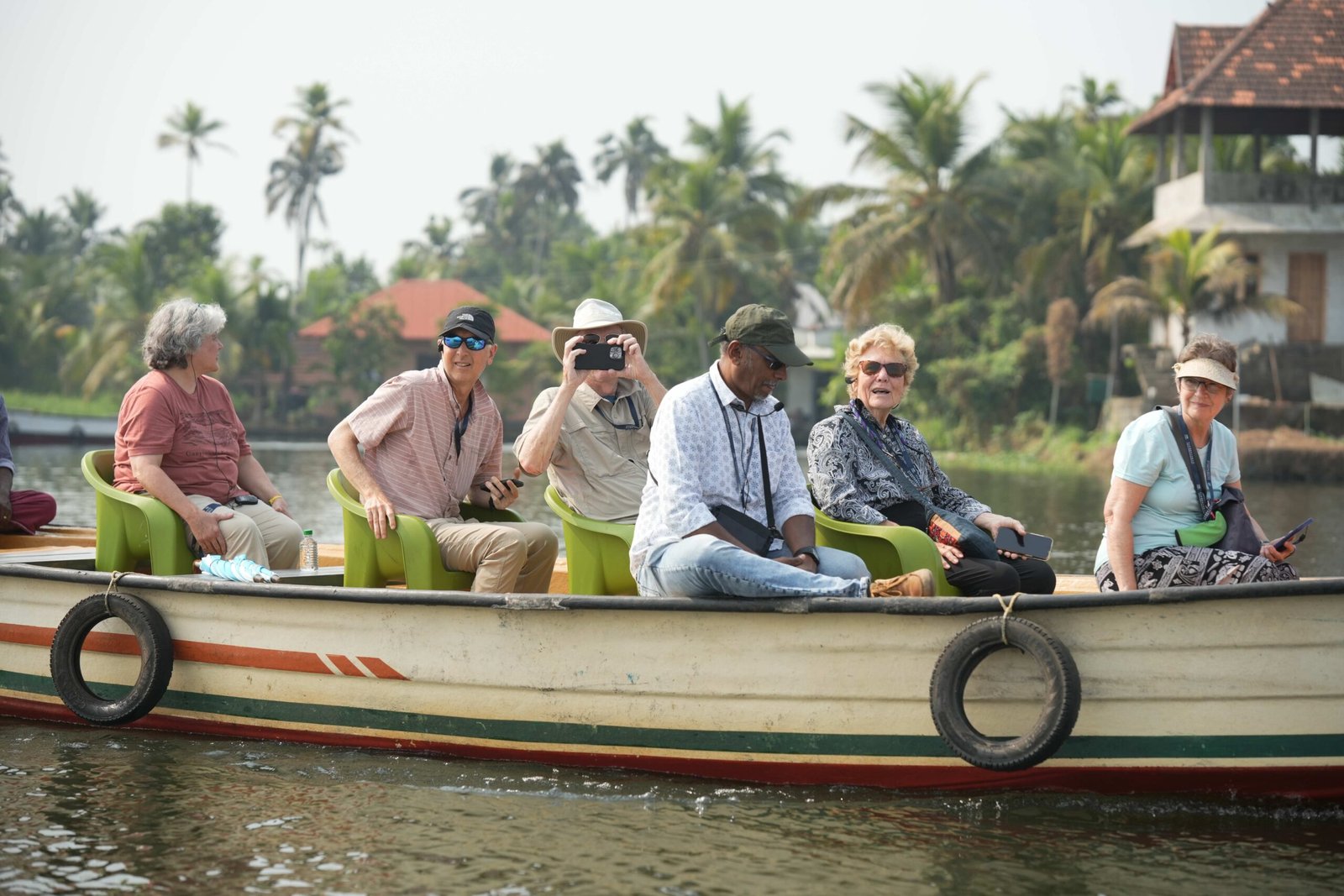
Some villages are accessed through canals too narrow for houseboats. Traditional small boats take you through these waterways.
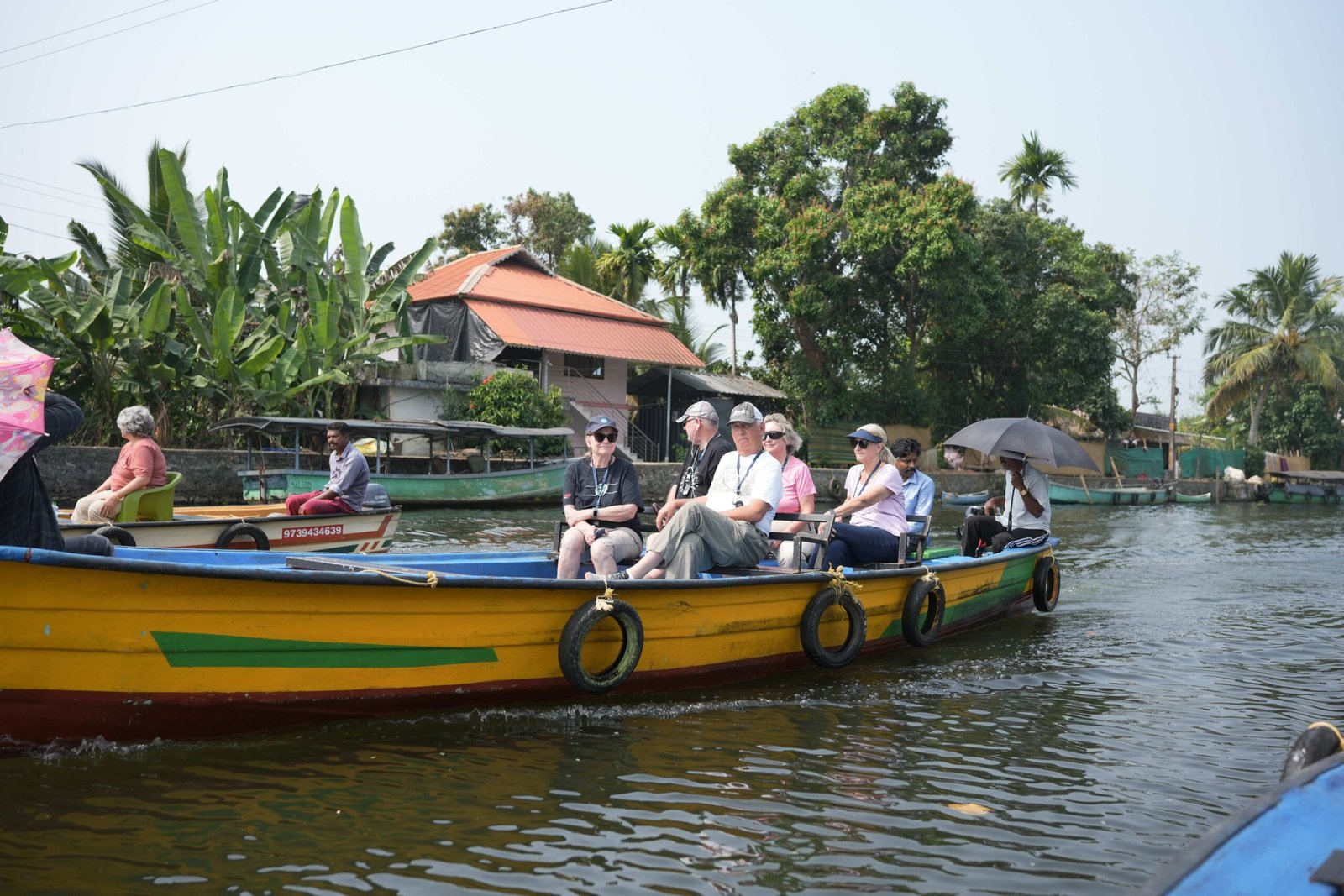
Rice paddies line both sides. Palms lean over the water. The boat moves slowly. Quiet except for birds and the occasional person calling from their yard.
This gets you into the backwater system’s smallest veins. Where daily life happens away from tourist routes. Where fishing boats paddle to work. Where kids take boats to school.
The small boat holds six to eight guests plus the person steering. Everyone sits low. The perspective is different from the luxury houseboat deck. You’re at water level. Closer to everything.
Movement through these tight canals shows the backwater network’s actual complexity. Main canals connect to smaller ones. Those connect to even smaller ones. The system branches like tree roots.
Villages use these narrow waterways constantly. You see how they function as roads for people who live here.
Toddy Shop Stops
Some village visits include stops at toddy shops. These are local establishments where coconut palm sap gets fermented and served.
Toddy drinking is traditional Kerala culture. The shops are social spaces where village men gather, talk, drink fresh toddy.
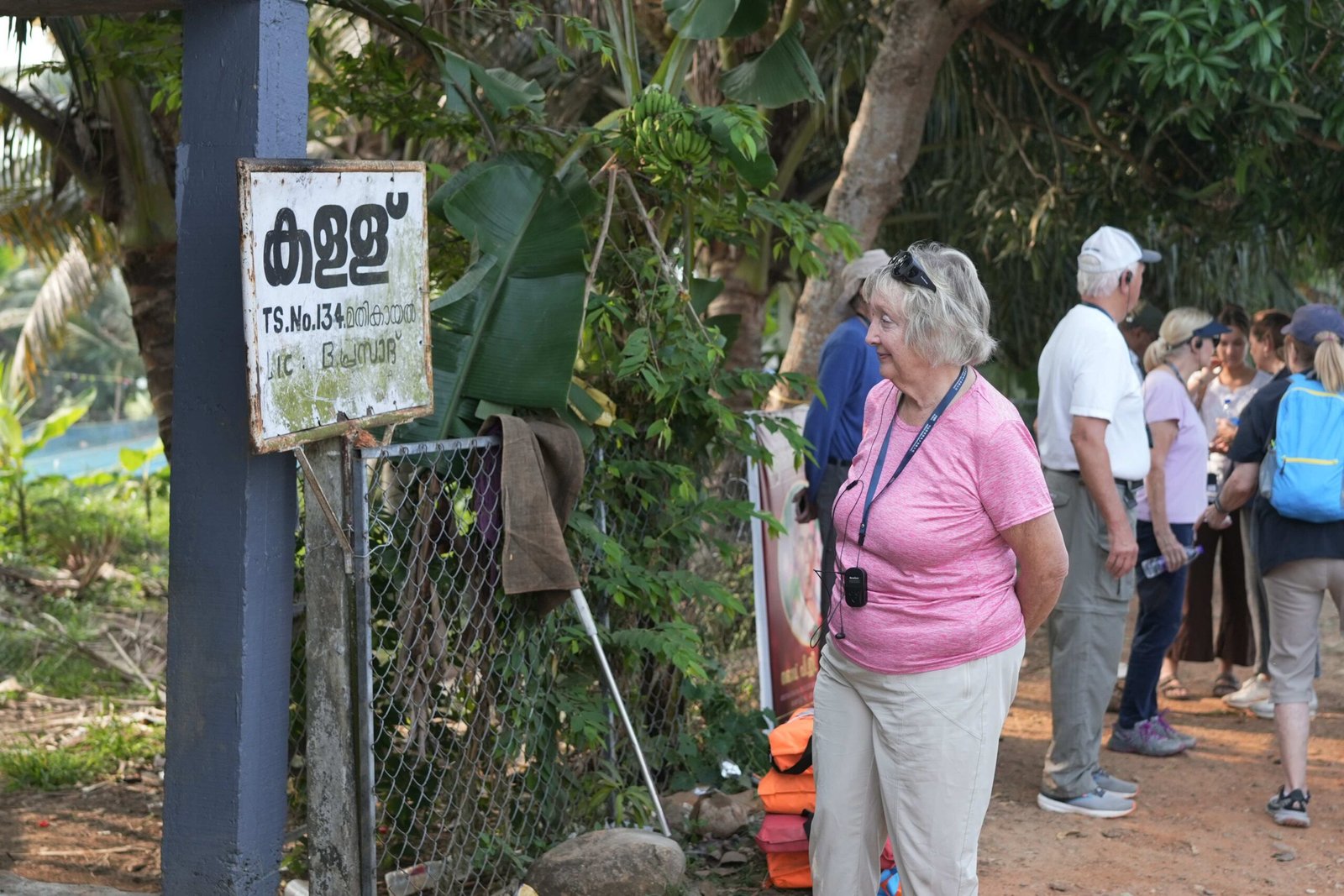
Visitors can try toddy if interested. Fresh toddy tastes sweet and slightly fizzy. Fermented longer, it gets stronger. The experience is cultural, not just drinking.
The shops show village social life. How people interact. What gathering spaces look like. The guide can explain toddy tapping, how palms are climbed, how sap is collected.
Fishing Demonstrations
Fishing is how many backwater families earn their living. Watching this happen teaches you things.
Traditional fishing methods using Chinese fishing nets operated by counterweights and levers. Cast nets thrown by hand that spread in a circle. Small nets worked between two people.
Sometimes fishermen explain what they’re doing. What fish they’re catching. What seasons are good for different species. The guide translates if needed.
This isn’t staged. It’s actual fishing work. You’re watching because you’re there, not because it was set up for tourists.
The economics of backwater fishing become clearer. The effort involved. The catches. What sells locally versus what goes to markets. How life here actually works.
Village Markets and Shops
Some villages have small markets or provision shops. Basic goods, vegetables, fish caught that day.
Walking through these shows what’s available locally. What people buy regularly. How commerce works in small backwater communities.
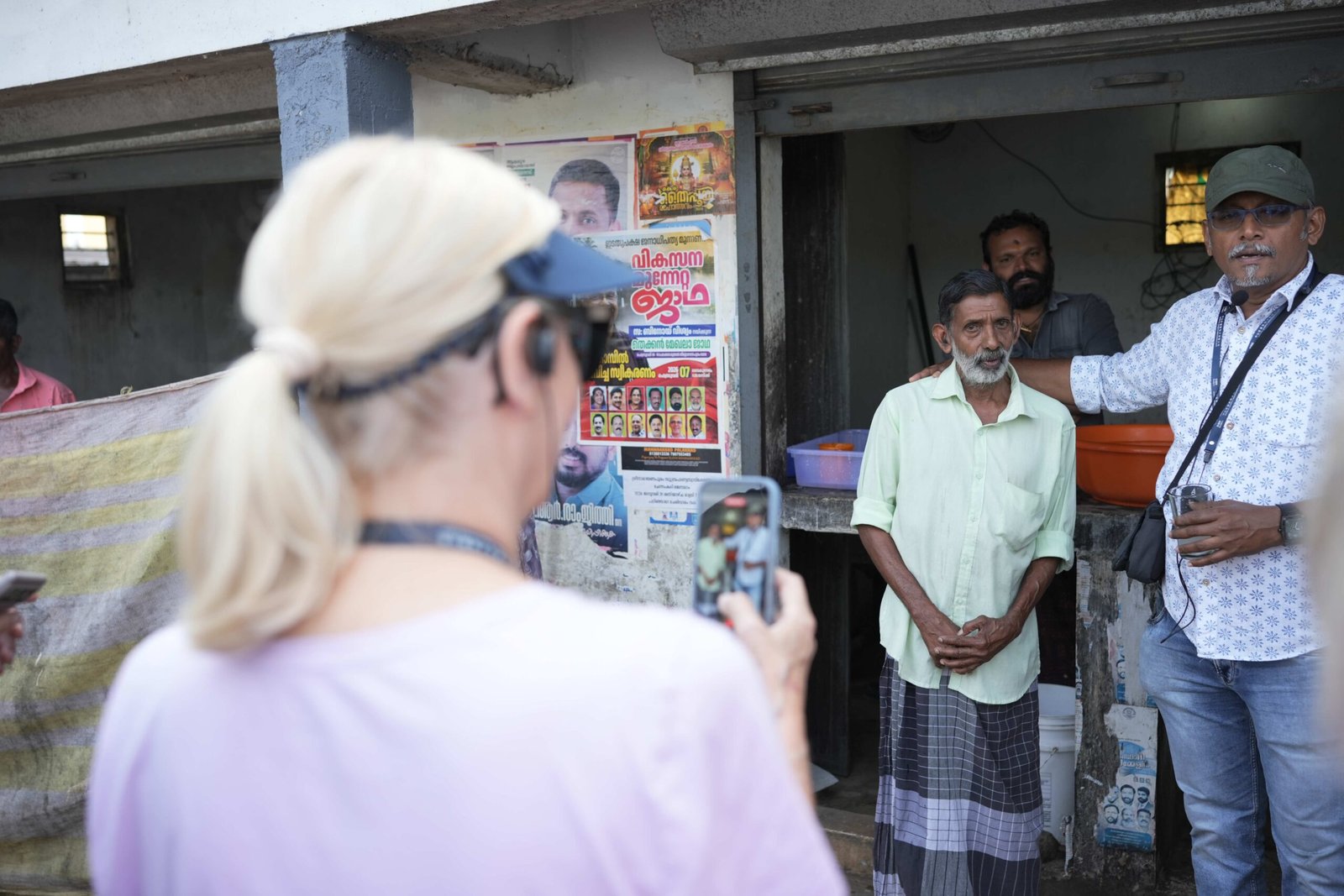
The guide might know the shop owner. Brief conversations happen. You see normal customer interactions.
This matters because it shows the backwaters as a working economy, not just a scenic backdrop for tourism.
Religious Sites
Villages have temples, churches, sometimes mosques. Small structures serving local communities.
If the timing works and sites are open, guides sometimes show these. Explain the architecture, the local religious practices, how different faiths coexist in Kerala.
You’re not going inside actively worshipping spaces unannounced. But understanding the religious landscape adds context to village life.
Rice Paddy Systems
The backwaters exist partly because of rice cultivation. Paddies stretch everywhere. Understanding how they work matters.
Guides explain the flooding and draining cycles. When rice gets planted. How water management works. Why the backwaters and agriculture are connected.
Walking along paddy edges shows the physical layout. The bunds between fields. The canal system feeding water in and out.
Seasonal changes affect what you see. Planting season looks different from harvest season. Water levels change. The green intensity varies.
How This Differs from Standard Tours
Most houseboat operators keep guests on the boat. Maybe stop at a fishing net for photos. That’s it.
Some offer “village tours” that mean tourist-focused spots. Craft demonstrations set up for visitors. Staged interactions.
Spice Routes village visits access actual communities where the crew has built relationships over time. The villages aren’t performing for tourists. Life is happening normally. You’re observing respectfully.
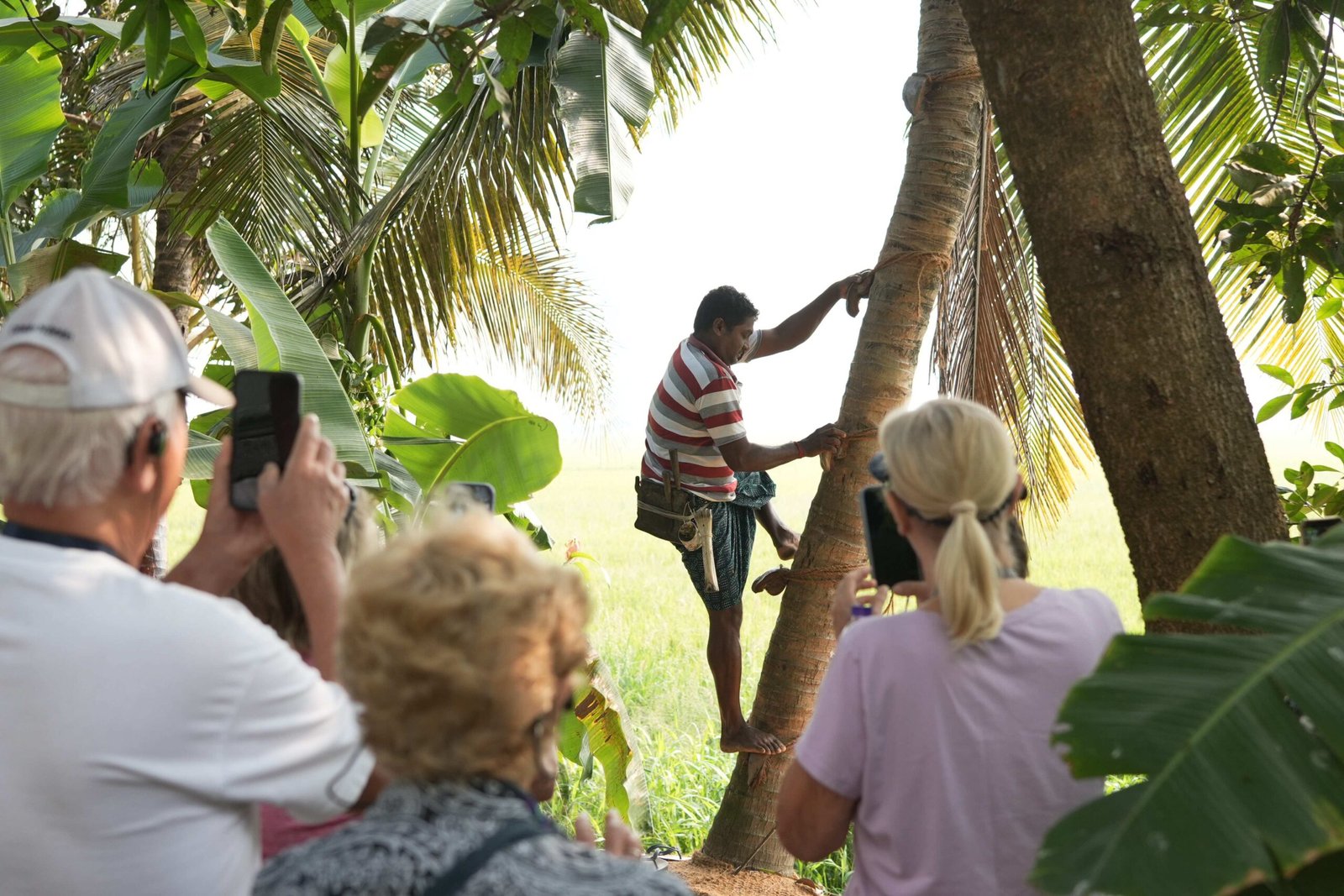
The difference shows in details. Locals greeting the guide by name. Conversations that flow naturally. Access to spaces tourists wouldn’t see otherwise.
The Responsible Tourism Angle
Village visits raise legitimate questions about tourism impact. Are communities being exploited? Is privacy violated? Does constant tourist traffic disrupt life?
Spice Routes addresses this through several approaches:
Small group sizes limit impact. Six to eight guests, not thirty.
Guides who live locally and maintain relationships with villages rather than showing up randomly.
Revenue sharing with communities when specific activities involve villagers’ time or resources.
Respect for privacy. Not wandering into private spaces. Not photographing people without permission. Explaining boundaries to guests before entering villages.
Timing visits to avoid disrupting daily routines. Not showing up during meal times or early morning when people are starting work.
What Guests Actually Learn
Village visits change how people understand Kerala.
The backwaters aren’t empty scenery. They’re home to functioning communities with complex social systems, economic activities, cultural practices.
Traditional Kerala life still exists but adapted to modern realities. The blend of old methods and new technology shows throughout villages.
Environmental connections become clear. How people depend on water quality. Why plastic pollution matters to communities living here. How climate change affects farming and fishing.
Social structures reveal themselves. Caste dynamics, religious diversity, gender roles, economic hierarchies all present but requiring explanation to understand.
Duration and Timing
Village visits typically happen as part of day-long or multi-day houseboat trips. Not as add-ons you book separately but as integrated experiences.
Timing depends on several factors. Which villages are along the route. What’s happening that day in those communities. Guest interest level. Weather conditions.
Morning visits catch different activities than afternoon visits. Early morning might show fishing or paddy work. Afternoon might mean quieter village time as heat builds.
The guide reads the situation and adjusts. Some days villages are busy and welcoming visitors works. Other days communities are dealing with something and visits get skipped.
Flexibility matters. This isn’t a fixed program running regardless of ground reality.
Who This Appeals To
Village visits aren’t for everyone booking backwater trips.
Some guests want pure relaxation. Floating, sleeping, eating. Not exploring. For them, village visits feel like unnecessary activity.
Others want authentic cultural engagement. Understanding how people actually live. For them, village visits make the trip worthwhile.
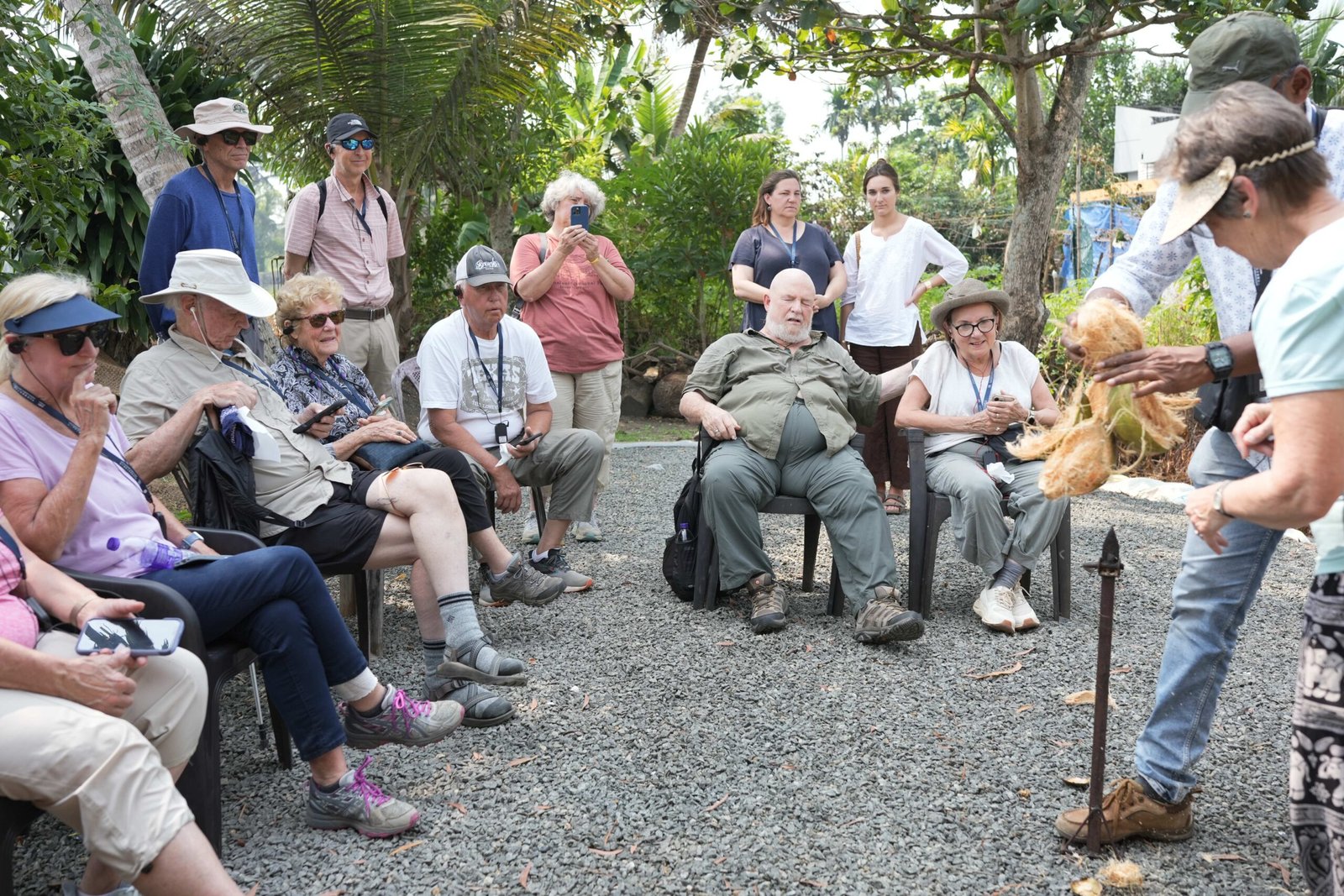
Families with curious kids often enjoy it. Children see different lifestyles, ask questions, engage with village kids if opportunities arise.
Photographers find villages photogenic but need to balance photo opportunities with respect for subjects.
Cultural travelers, anthropology enthusiasts, people who travel to learn about places beyond tourist sites all value these visits.
Practical Considerations
Footwear matters. Village paths can be muddy, uneven, or sandy. Wear shoes that handle this.
Modest clothing helps. Small Kerala villages are traditional. Covering shoulders and knees shows respect.
Sun protection. Village walks happen in open areas. Hat and sunscreen prevent burning.
Water. Bring a bottle. Walking in humidity and heat requires hydration.
Cameras are fine but ask before photographing people. The guide can help request permission.
Small gifts aren’t expected or necessary. Interactions should feel natural, not transactional.
What Makes This Different
Many Kerala tourism experiences package villages as attractions. Performances for tourists. Crafts demonstrations. Cultural shows.
Spice Routes village visits access actual daily life. The people you meet aren’t performers. They’re residents going about their business who happen to interact with visitors because a trusted guide brought them.
The distinction matters. One approach treats villages as theme parks. The other treats them as communities deserving respect.
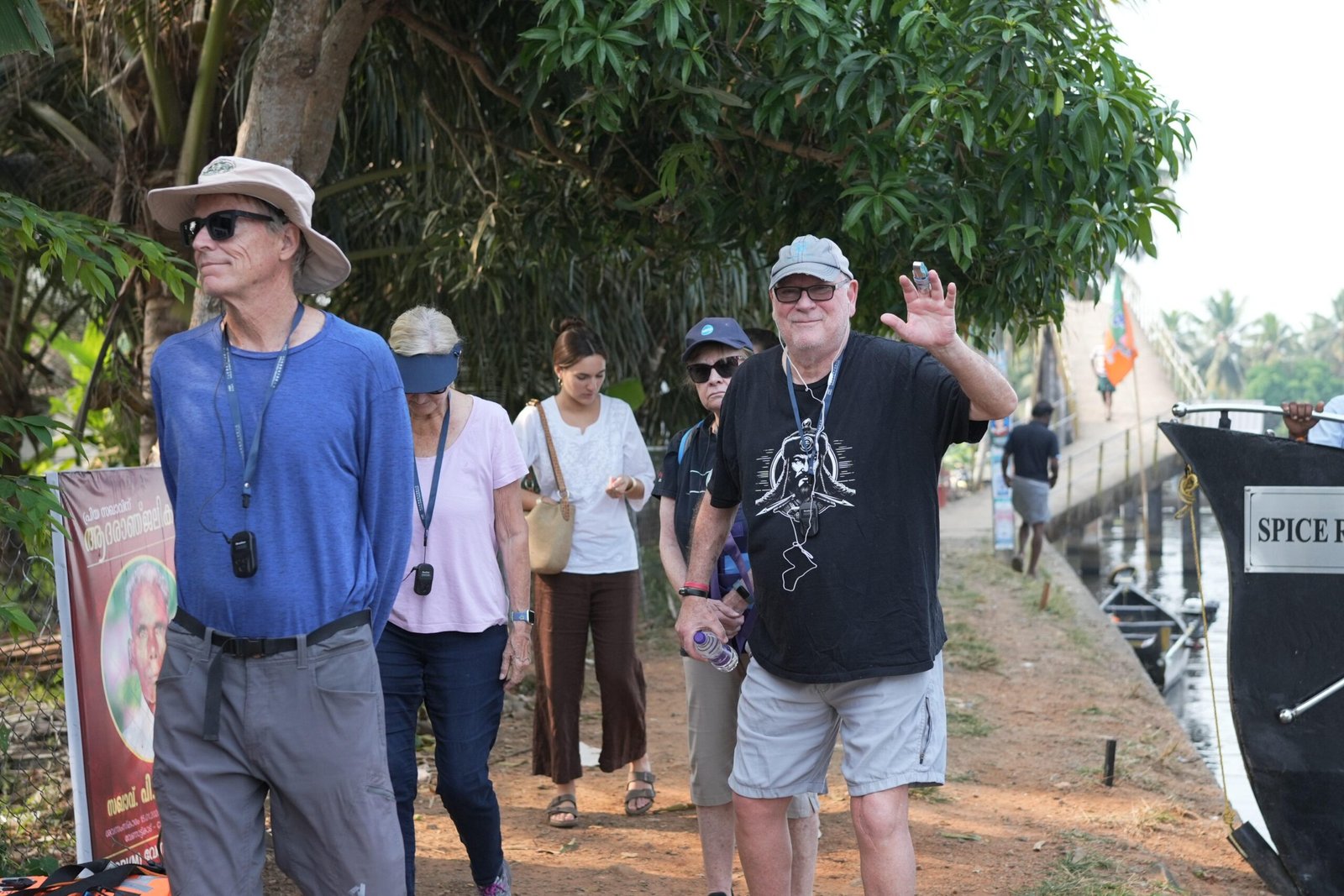
The latter takes more work. Building relationships. Earning trust. Training guides properly. Limiting group sizes. Managing guest expectations.
But the result is village engagement that feels authentic rather than staged.
The Bigger Picture
Kerala’s backwaters face multiple pressures. Tourism brings money but also problems. Development changes traditional lifestyles. Young people leave for cities. Climate change affects farming and fishing.
Village visits done responsibly can help. Tourism income supplements traditional livelihoods. Visitor interest in traditional practices helps preserve them. Respectful engagement shows communities their culture has value.
Poorly done village tourism causes harm. Privacy violations. Exploitation. Community disruption. Cultural commodification.
The difference lies in how operators approach it. Luxury houseboats operated by Spice Routes seem to get this. The village visits add value to guest experiences while respecting the communities involved.
Combining Boat and Village Time
The full backwater experience needs both elements. Time on the water. Time in villages.
On the boat, you see landscape. Understand geography. Watch birds. Relax. Experience the waterways as transportation and environment.
In villages, you see how people live within that landscape. How the water shapes daily life. How communities function. What backwater culture actually means.
Together, these create fuller understanding. The backwaters as both place and home.
Spice Routes structures trips to balance both. Cruising time. Village time. Meals. Rest. The rhythm works.
Village Life Experiences on Luxury Houseboats
Guided village visits included in trips: spiceroutes.in
Small groups, local guides, responsible tourism practices.
Leave a Reply