
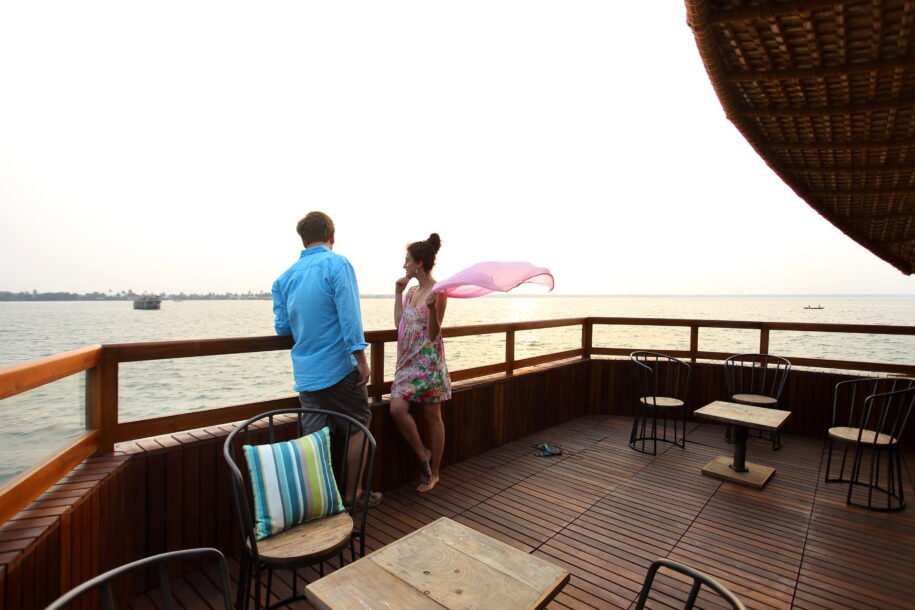
Kerala made National Geographic Traveler’s list of top global destinations recently. Ranked 16th among places worth visiting worldwide. The recognition brings validation for what travelers already knew. It also brings consequences.
Awards and rankings change destinations. More visitors arrive. Infrastructure expands. Prices adjust. Local communities face new pressures. The character of places shifts.
For the backwaters specifically, Kerala’s rising profile creates both opportunities and challenges.
What the Ranking Actually Means
National Geographic’s list carries weight. It influences millions of travelers making destination decisions.
Being named 16th globally puts Kerala on radar screens where it wasn’t before. Europe, North America, Australia. Markets that knew India vaguely now know Kerala specifically.
The ranking emphasizes responsible tourism, cultural richness, natural beauty. Kerala got recognized not just for scenery but for how tourism operates here.
This matters because it positions Kerala as serious destination, not exotic curiosity. Travelers with bigger budgets consider it. Longer trips get planned. Higher expectations develop.
The backwaters feature prominently in any Kerala narrative. Canals, houseboats, village life, traditional culture. What makes Kerala distinctive nationally also defines it globally.
So the ranking isn’t abstract. It directly affects backwater tourism.
The Immediate Effects
Bookings increased. Operators report higher inquiry volumes from international markets.
Flight connectivity improved. More direct routes. Better scheduling. Airlines respond to demand.
Media attention multiplied. Travel publications run Kerala features. Blogs multiply. Instagram fills with backwater photos.
Government investment increased. Infrastructure projects got funding. Tourism facilities expansion. Training programs for hospitality workers.
Local businesses ramped up. New houseboats commissioned. Existing ones upgraded. Hotels expanded. Restaurants improved.
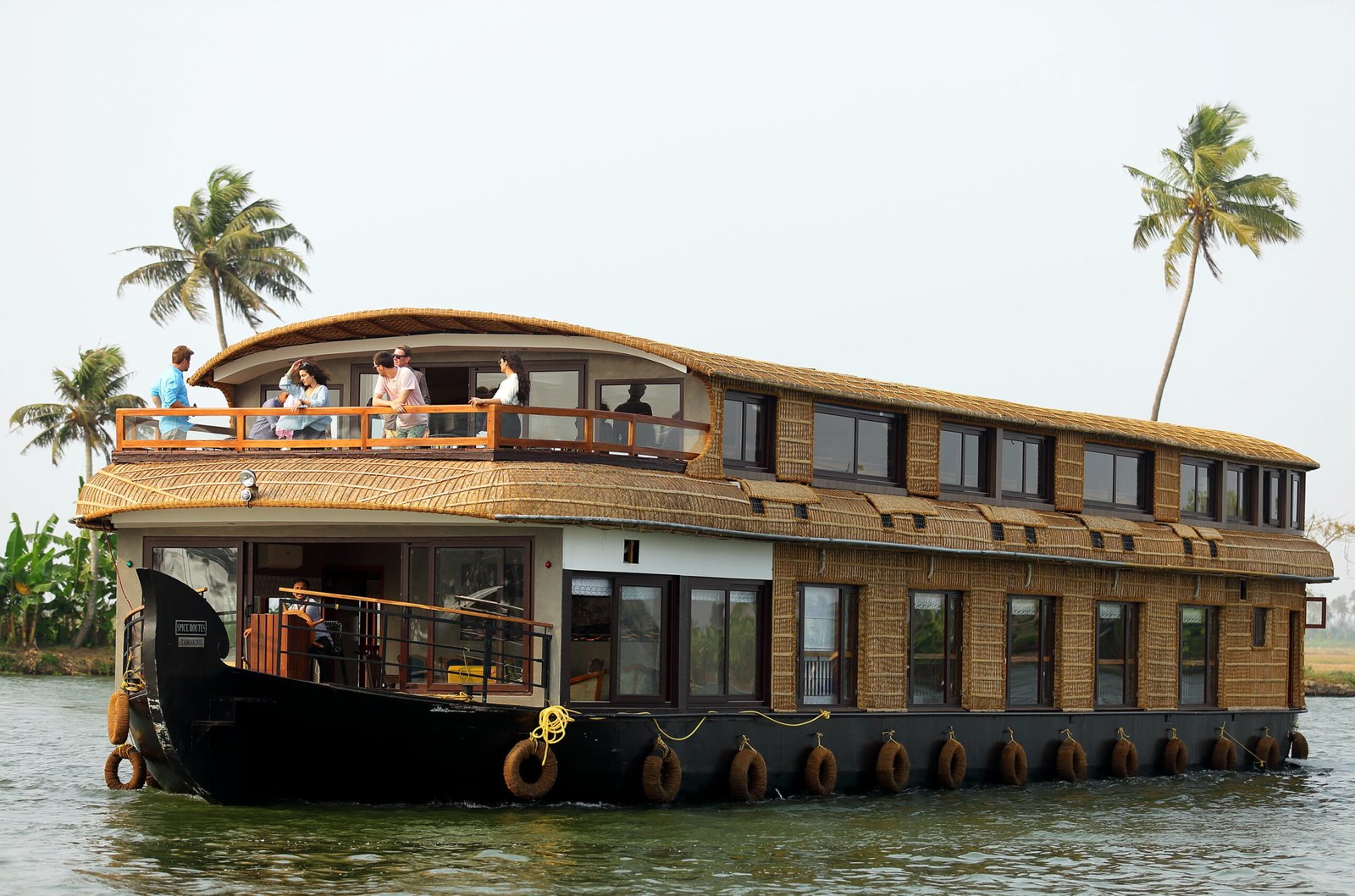
The economic activity is visible. The backwaters became busier, more commercial, more professionally managed.
The Crowd Reality
Rankings bring crowds. This is unavoidable.
Peak season backwaters already saw heavy traffic. December through March filled with tourists. Boats packed together at anchor. Canals congested with tourist vessels.
Post-ranking, this intensified. More boats. More visitors. Longer seasons as shoulder periods filled up.
The quiet experience some travelers seek becomes harder to find. Isolation on the backwaters requires more effort. Off-season travel. Smaller operators. Routes away from main canals.
This isn’t catastrophic. But it’s real. The ranking made a popular destination more popular.
Infrastructure Improvements
Positive changes happened too.
Waste management got better. Kerala government implemented stricter rules. Plastic reduction programs expanded. Sewage treatment improved.
Boat quality increased. Older, poorly maintained houseboats faced pressure to upgrade or retire. Safety standards tightened. Quality differentiation became clearer.
Guide training improved. More professional certification programs. Better English skills. Cultural sensitivity training.
Village tourism infrastructure developed. Pathways improved. Signage appeared. Community programs formalized.
These improvements benefit travelers directly. Better-maintained boats. Cleaner water. More knowledgeable guides. Organized village experiences.
The Pricing Shift
Recognition drives prices upward. Simple economics.
Houseboats that charged moderate rates pre-ranking increased prices. Demand allowed it. International visitors accustomed to high prices paid without question.
The gap widened between budget and luxury options. Budget boats stayed cheap but quality didn’t improve much. Luxury boats increased prices significantly while enhancing services.
Mid-range suffered. The space between basic budget and true luxury compressed. Value-for-money options became harder to find.
For travelers, this means more research required. Peak season luxury prices can shock. But deals exist off-season. Smart booking finds value.
The Authenticity Question
Does recognition kill authenticity? Sometimes.
Villages along tourist routes adjusted to constant visitors. Some traditional practices became performances. Toddy shops catered deliberately to tourists. Fishing demonstrations got staged.
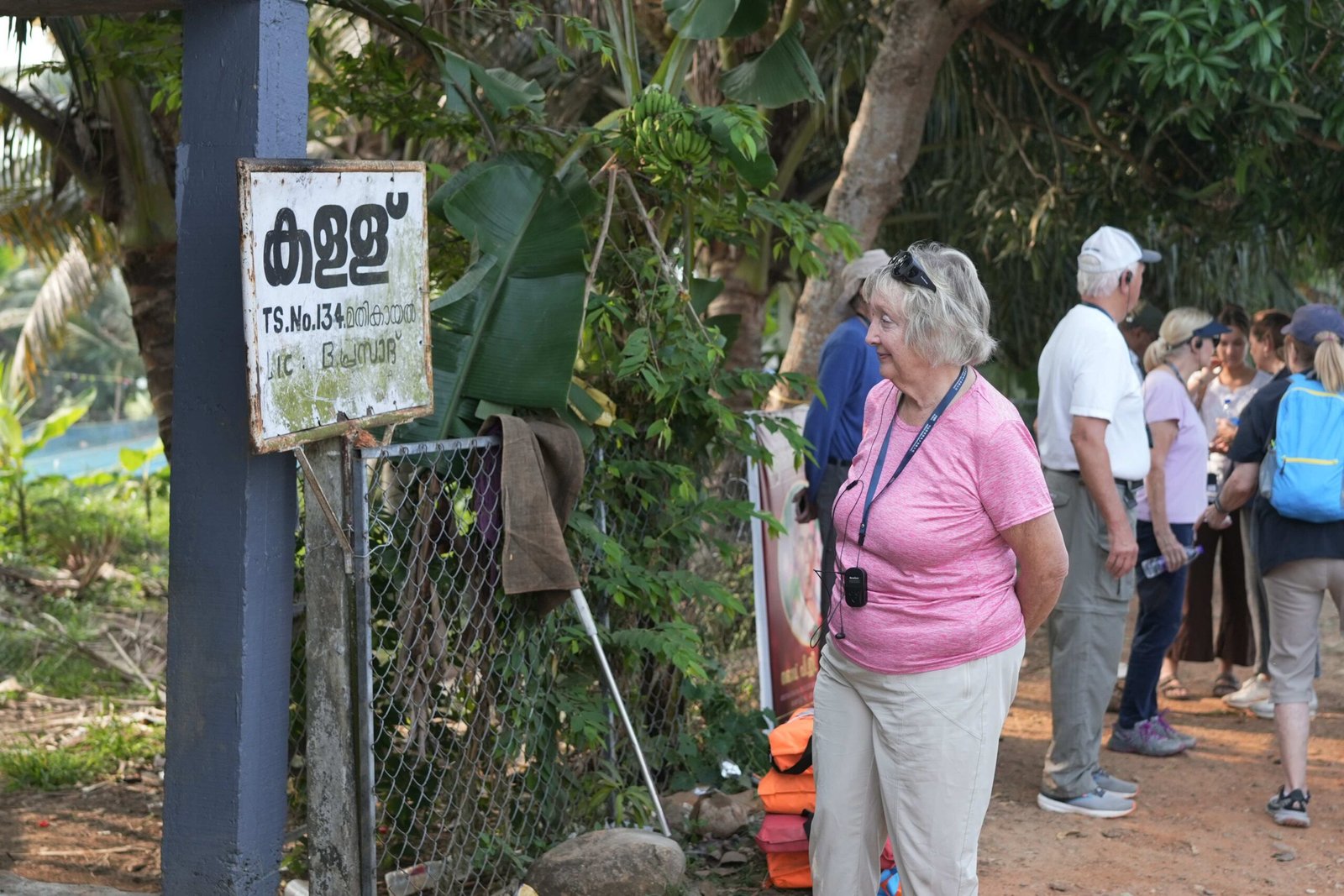
But Kerala is large. The backwaters extend beyond tourist routes. Authentic village life continues in areas tourists don’t reach.
The ranking accelerated changes already happening. Tourism was already transforming backwater communities. Recognition sped up the process.
Whether this is good or bad depends on perspective. Communities gaining income see benefit. Travelers seeking “unspoiled” destinations see loss.
The reality is complex. Economic development helps people. Tourism provides opportunities. But change is constant and not always comfortable.
What Different Travelers Experience
The ranking’s impact varies by traveler type.
Budget travelers find Kerala more expensive. The destination’s rising profile pushed prices up. Cheap backwater trips still exist but require more searching.
Luxury travelers benefit. More high-end options appeared. Services improved. International standards became common. The ranking justified premium pricing for premium experiences.
Cultural travelers see more organized programs. Village visits, cultural demonstrations, traditional experiences all became easier to access and more professionally managed.
Adventure travelers face more restrictions. Safety regulations tightened. Some activities got formalized. The wild, anything-goes atmosphere reduced.
Family travelers gained infrastructure. Better facilities. More family-friendly boats. Organized activities for kids. The ranking drove family-focused development.
Environmental Pressures
More tourism means more environmental stress.
Water quality faces pressure from increased boat traffic. Engine pollution. Waste from more vessels. Higher usage of limited resources.
The backwaters are fragile ecosystems. Canals depend on balance between saltwater and freshwater. Development disrupts this. More construction along banks. Changed drainage patterns. Agricultural runoff increasing.
Wildlife habitat shrinks. Bird populations face disturbance. Fish stocks stress from overfishing to supply tourist demand.
Kerala government responded with regulations. Stricter environmental standards. Protected zones. Limited boat numbers in sensitive areas.
Whether enforcement matches regulation remains questionable. But awareness increased. The ranking brought scrutiny that pressures better environmental management.
The Competition Intensifies
Recognition increased competition among operators.
New players entered. Investors saw opportunity. More houseboats launched. More tour companies formed.
Established operators faced pressure. Maintain quality while controlling costs. Differentiate from new competitors. Build reputation in crowded market.
This competition benefits travelers when it drives quality up. But it also creates pressure to cut corners. Race-to-bottom pricing hurts service quality.
The market is sorting itself. Premium operators charge appropriately and deliver quality. Budget operators compete on price. The middle ground struggles.
What Hasn’t Changed
Despite ranking and growth, some fundamentals remain.
The backwaters are still beautiful. Water, palms, rice paddies, villages. The landscape that attracted attention persists.
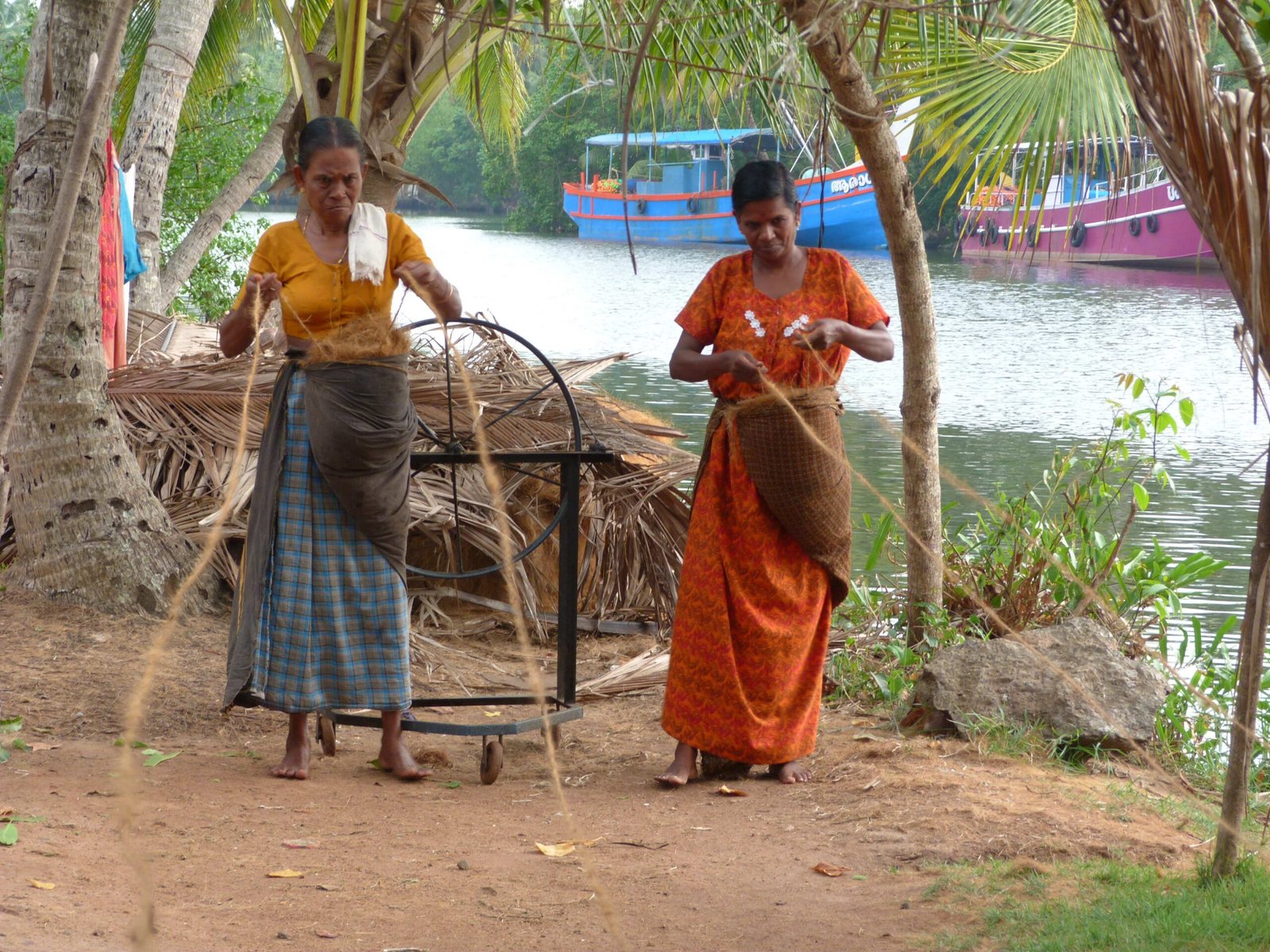
Traditional life continues. Fishing, farming, coir making, toddy tapping. Economic activities that sustained communities for generations haven’t disappeared.
The climate hasn’t changed. Monsoon still comes. Summer still gets hot. Best visiting season remains December through March.
Cultural richness persists. Kerala’s unique blend of religions, traditions, architecture, arts survives tourism pressure.
The ranking amplified existing Kerala. It didn’t create something new from nothing.
Planning Around the Ranking
Travelers should adjust expectations and strategies.
Book earlier. Peak season fills faster now. Waiting until last minute reduces options.
Consider off-season. Summer and monsoon see fewer tourists despite year-round Kerala beauty. Prices drop significantly.
Research operators carefully. More choices means more variation in quality. Reviews matter. Reputation matters. Price isn’t the only factor.
Be specific about what you want. Quiet? Luxury? Cultural engagement? Budget? Different operators serve different needs. The ranking increased options but also increased need to choose well.
Build extra time. Kerala rewards longer stays. Rushed trips miss depth. The ranking might bring you here, but experiencing it properly requires adequate time.
The Village Impact
Communities along backwater routes experienced ranking effects directly.
Income increased. Tourism jobs multiplied. Money flowed into local economies.
But traditional livelihoods faced pressure. Young people chose tourism over fishing or farming. Cultural practices shifted toward tourist appeal.
Infrastructure improved. Roads, electricity, water supply all got better as tourism money justified investment.
Social dynamics changed. Wealth gaps widened. Tourism created winners and losers within communities. Tensions developed.
These impacts aren’t unique to Kerala or rankings. Tourism everywhere brings similar patterns. Kerala’s challenge is managing growth to benefit communities broadly.
Future Trajectory
Where does Kerala go from here?
Continued growth seems certain. The ranking creates momentum. More visitors will come. More infrastructure will develop.
The question is whether growth is managed responsibly. Can environmental standards hold? Will cultural authenticity survive? Can communities benefit fairly?
Kerala government talks about sustainable tourism. High value, low impact. Quality over quantity. Whether implementation matches rhetoric remains to be seen.
The backwaters will change. They’re already changing. Tourism pressure, climate change, development, all pushing transformation.
The goal is guiding change rather than preventing it. Making Kerala in five years still worth visiting for reasons beyond nostalgia.
How Operators Responded
Different operators adapted to ranking recognition differently.
Some expanded aggressively. New boats. More staff. Marketing budgets. Capturing growth opportunity.
Others maintained scale. Focused on quality. Preserved what made them work. Resisted pressure to grow fast.
Some shifted upmarket. Positioned as luxury. Raised prices. Enhanced services. Targeted international high-end travelers.
Others stayed budget. Volume over margin. Quick turnover. Price competition.
The diversity of responses means travelers have genuine choice. Not all operators look the same. Different philosophies create different experiences.
What Spice Routes Did
Spice Routes fell into the “maintain quality, thoughtful growth” category.
The ranking brought them more bookings. International travelers specifically seeking quality backwater experiences found them through research.
They didn’t dramatically increase boat numbers. Slight expansion but not aggressive growth. The focus stayed on operating existing luxury houseboats well.
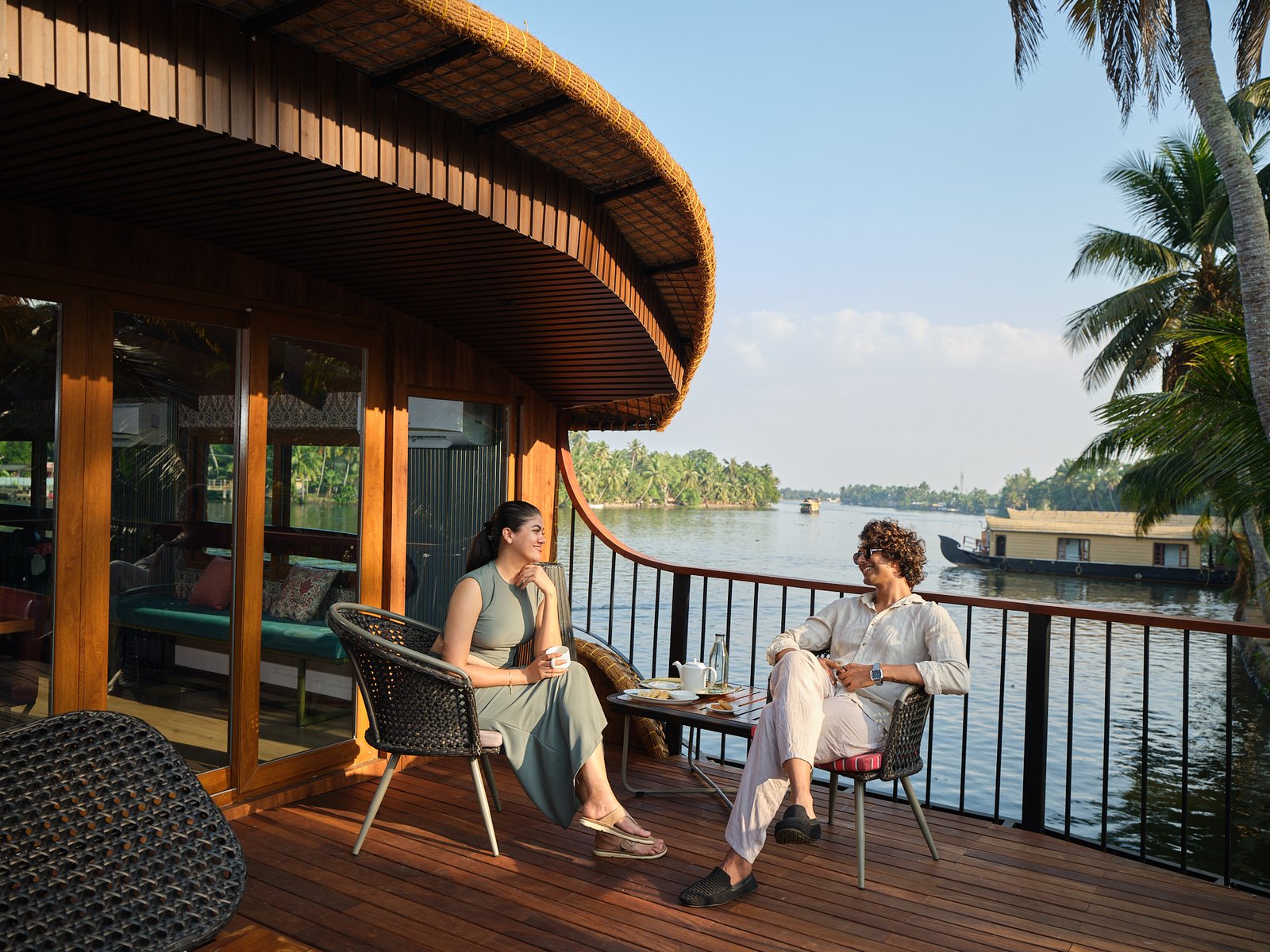
They invested in staff training. Better service. Enhanced cultural sensitivity. Improved guide capabilities. The ranking justified investment in people.
They strengthened village partnerships. More formal agreements with communities. Better compensation structures. Clearer responsible tourism protocols.
They upgraded boats. Maintenance increased. Amenities improved. Standards lifted to match international luxury expectations.
The approach recognized that ranking-driven growth requires careful management. Scale too fast and quality suffers. Raise prices too high and you price out core market. Exploit communities and relationships break.
Spice Routes aimed for sustainable growth. Capture opportunity from increased Kerala interest while maintaining what made them worth booking originally.
The luxury houseboats already met international standards. The ranking meant more international travelers discovered this. The response was ensuring those travelers’ expectations got met consistently.
Village programs that distinguished Spice Routes became more valuable post-ranking. Travelers wanted authentic cultural engagement. The established village relationships and responsible tourism infrastructure delivered this.
The farmhouse boarding that avoided crowded jetties mattered more as crowds increased. The quiet routes through narrow canals became premium features as main canals got congested.
What was already differentiating became more so. The ranking didn’t require reinventing the operation. It required doing existing things better and communicating them more effectively.
The challenge was maintaining standards during growth. Keeping crew quality high as hiring increased. Ensuring every boat delivered consistent experience. Making sure village programs didn’t degrade through overuse.
Spice Routes addressed this through controlled growth and continued investment. Not maximum exploitation of ranking momentum but sustainable building on existing foundation.
For travelers, this means Spice Routes post-ranking delivers enhanced version of what worked before. Better boats. Better-trained crews. More formalized cultural programs. Higher prices reflecting improvements but also reflecting Kerala’s elevated global status.
The ranking changed the context. Kerala is now explicitly recognized as world-class destination. Operators serving that market need to deliver world-class experiences. Spice Routes was already moving that direction. The ranking validated the approach and accelerated investment.
Luxury Backwater Experiences in Globally Recognized Kerala
Spice Routes luxury houseboats: spiceroutes.in
Quality-focused operation, responsible village tourism, experienced crews, narrow canal routes.
Leave a Reply