
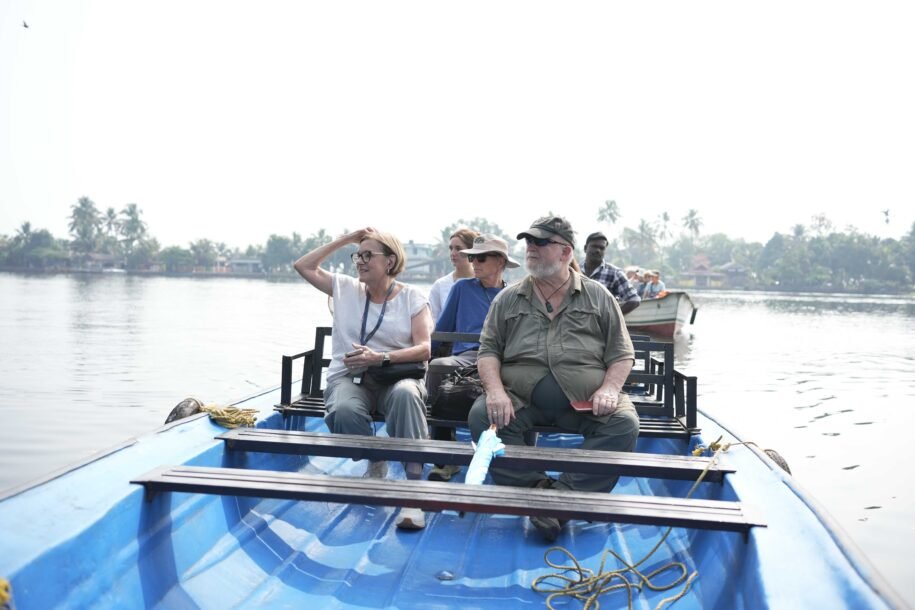
Check the booking data. Look at flight loads. Talk to operators. The pattern is clear. More people from Australia, Japan, Singapore, and the wider Asia-Pacific region are showing up in Kerala. The backwaters around Alleppey specifically.
This shift didn’t happen randomly.
Flights Got Better
Five years ago, getting from Sydney to Kerala meant two or three connections and 20+ hours of travel. Same from Tokyo. Even Singapore required awkward routing.
Now? Singapore to Kochi runs daily. Under four hours. Multiple airlines. From Singapore’s hub, you can connect to most of Asia-Pacific easily.
Kuala Lumpur to Kochi has more flights. AirAsia made it affordable. Malaysia’s hub connects everywhere.
Bangkok to Kochi added capacity. Thai and Indian carriers both increased frequency.
From Australia, routing through Singapore or KL brings total travel time down to 12-15 hours. Manageable.
From Japan, one stop through Singapore or Bangkok gets you to Kerala in under 12 hours.
Better connections changed the calculation. Kerala went from “too hard to reach” to “doable weekend trip” for some markets.
The Climate Makes Sense
People from tropical Asia-Pacific aren’t shocked by Kerala’s heat and humidity.
Australians from Queensland or Darwin know this weather. Kerala’s summer doesn’t scare them.
Singaporeans and Malaysians live in humidity. Kerala feels familiar.
Japanese travelers seeking warm winter escapes find Kerala’s December-February timing perfect.
Nobody’s pretending Kerala is cool. But Asia-Pacific visitors know how to handle tropical weather. They pack right. They adjust. It’s not foreign.
The Money Works
For travelers from expensive countries, Kerala prices feel reasonable.
A luxury houseboat overnight costs less than what you’d pay for dinner in Sydney or Tokyo. Currency exchange heavily favors visitors from these markets.
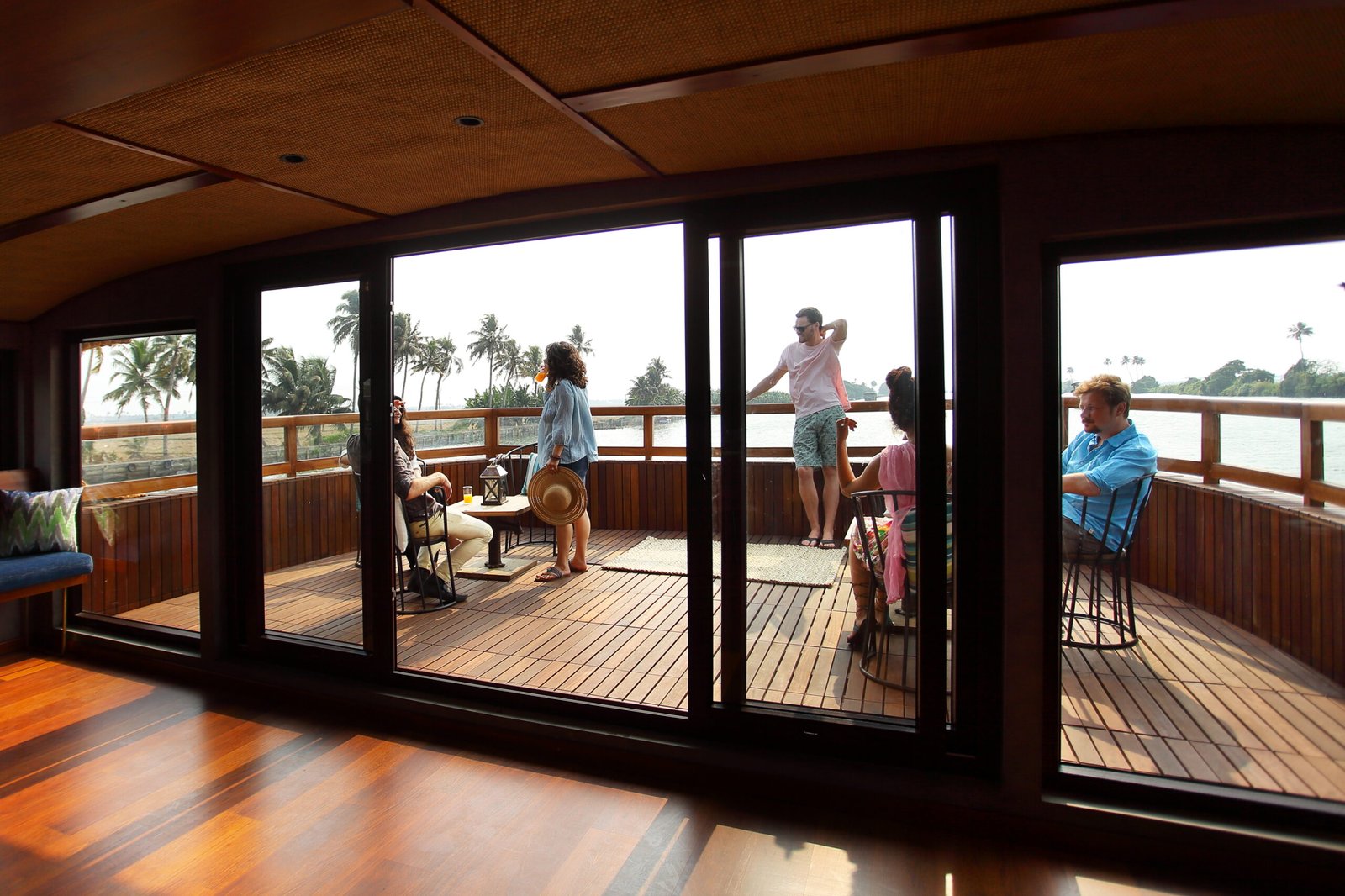
This doesn’t make Kerala cheap. But relative to home costs, the value is obvious. The same experience in Bali or Thailand costs more now. Kerala became competitive.
Japanese travelers notice especially. India generally offers value, but Kerala delivers luxury at yen prices that make sense.
Wellness Travel Boomed
Asia-Pacific markets went hard on wellness tourism. Kerala fits this perfectly.
Ayurveda got global traction. Japanese tourists embrace traditional healing systems. The backwaters plus Ayurvedic treatments create packages that sell.
Australians chasing wellness want real experiences, not resort spas. Kerala’s actual Ayurvedic centers deliver depth.
Singaporeans use health travel as stress escape from brutal work culture. The backwaters provide genuine disconnection.
Kerala’s traditional wellness systems are authentic, not invented. Asia-Pacific travelers researching this discover Kerala stands out.
Safety Reputation Spread
Kerala has strong safety scores for international travelers. This matters heavily to certain markets.
Japanese tourists prioritize safety extremely. Kerala’s low crime, educated population, solid tourism infrastructure meet their requirements.
Australian families with kids need safe destinations. Kerala’s established systems provide confidence.
Singaporeans used to extreme safety appreciate Kerala being relatively secure compared to other Indian states.
Word spreads through travel communities. Asia-Pacific travelers share information constantly. Kerala’s positive safety record travels through these networks.
India Without the Intensity
Asia-Pacific travelers want to experience India but often find Delhi or Mumbai overwhelming.
Kerala gives you cultural richness without complete chaos. Cities are manageable. Rural areas are accessible without being difficult.
Japanese travelers want culture but also organization and cleanliness. Kerala’s tourism infrastructure delivers both better than most of India.
Australians want depth without difficulty. The backwaters offer genuine engagement without extreme adaptation required.
Singaporeans appreciate Kerala’s religious diversity functioning peacefully. Resonates with Singapore’s own multicultural setup.
The backwaters specifically work well. You’re seeing village life but from a houseboat. Engagement is optional. This appeals to people wanting culture but also relaxation.
The Food Clicks
Kerala cuisine works for Asia-Pacific palates better than North Indian food sometimes does.
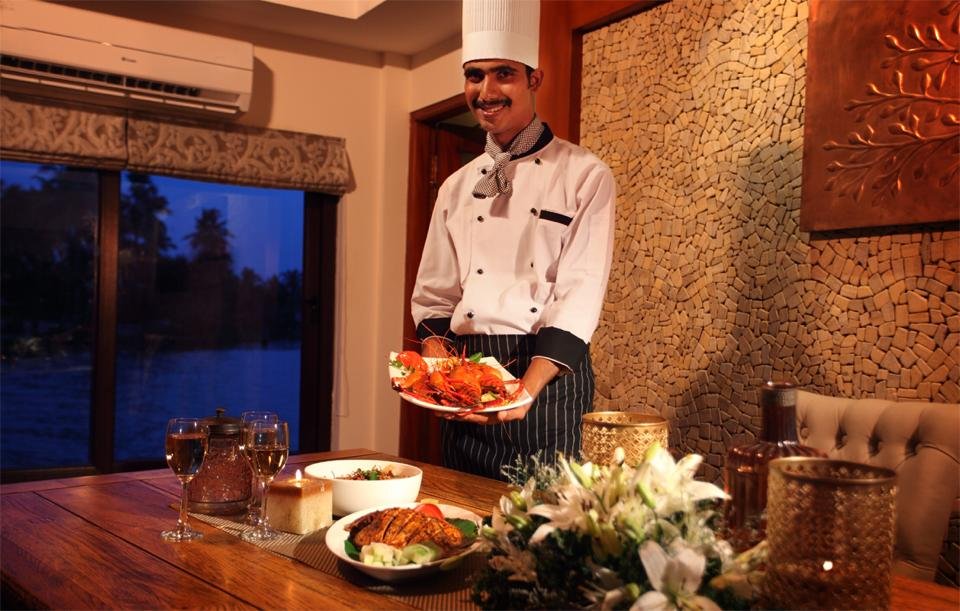
Japanese travelers like Kerala’s seafood focus. Fresh fish simply prepared matches Japanese food values.
Singaporeans recognize the flavors. Coconut, curry leaves, tamarind aren’t foreign. Southeast Asian and Kerala cooking share foundations.
Australians eating diverse food at home find Kerala accessible. Not too spicy if you ask. Fresh ingredients. Lots of vegetables.
Rice-based diet suits East Asian travelers better than wheat-heavy North Indian meals. Familiar staple makes eating comfortable.
Dietary restrictions get handled. Vegetarian is easy. Pescatarian works. Vegan is possible with communication. Kerala’s food flexibility accommodates the varied diets common among Asia-Pacific travelers.
Instagram Drives Decisions
Social media heavily influences Asia-Pacific travel choices.
Kerala backwaters photograph incredibly well. The houseboats, canals, palms, sunset shots all work on Instagram.
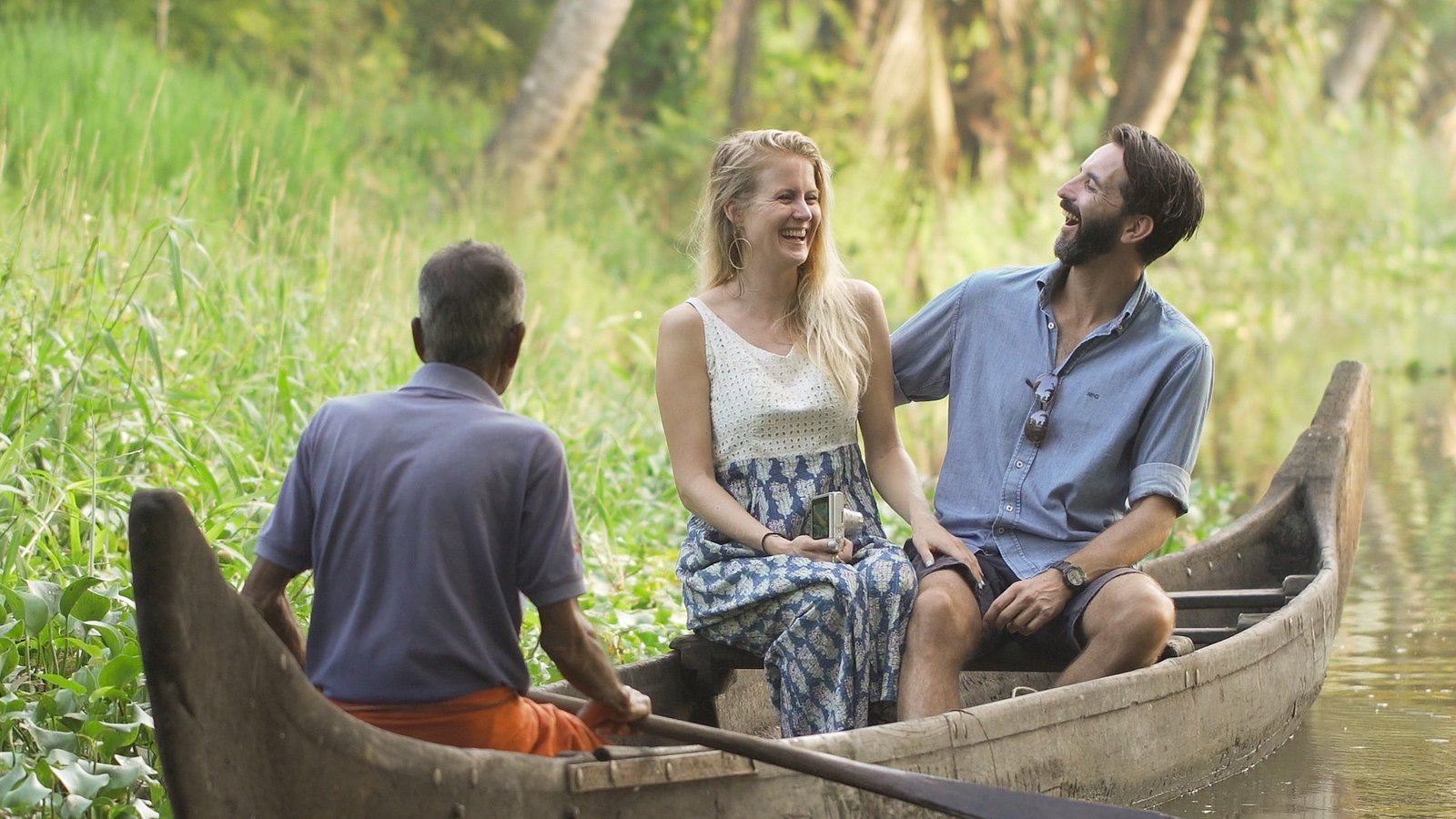
Japanese travel blogs and Instagram feature Kerala more now. Visual content spreads fast.
Australian travel influencers found Kerala. Their content reaches audiences effectively.
Singapore travelers active on social platforms share Kerala experiences. The visibility compounds.
The backwaters deliver photogenic moments that work everywhere. Instagram, YouTube, travel blogs. Visual appeal drives discovery and bookings.
The Escape Proximity
For Southeast Asian travelers, Kerala offers nearby escape.
Singapore to Kerala is shorter than Singapore to Europe. Provides completely different experience without long-haul flight demands.
Malaysian travelers seek international destinations reachable quickly. Kerala qualifies.
Thai travelers increasingly explore India. Kerala’s accessibility from Bangkok makes it viable weekend-extension destination.
The proximity matters. Kerala competes not with European destinations but with closer options. Bali, Thailand, Vietnam. The comparison is regional, and Kerala offers distinct alternative.
The Australian Winter Escape
Australian travelers have specific timing advantage.
Australian winter (June-August) aligns with Kerala’s monsoon season. For Australians, this isn’t deterrent. Many specifically seek warm monsoon destinations.
The late-year travel period (November-January) coincides with Kerala’s peak season and Australian summer holiday scheduling.
Australian market is already conditioned to tropical travel. Bali, Thailand, Fiji. Kerala enters rotation as another warm option.
The familiarity with tropical island travel transfers to Kerala. Australians know how to do this kind of trip. Kerala just becomes another destination in the pattern.
Japanese Appreciation for Craft and Tradition
Japanese tourists respond strongly to traditional craftsmanship and cultural preservation.
Kerala’s coir making, boat building, toddy tapping, traditional architecture all appeal to Japanese interest in artisan culture.
The houseboats themselves interest Japanese travelers. Traditional vessels adapted for modern use. The craftsmanship visible.
Temple architecture, dance forms like Kathakali, traditional Kerala life all resonate with Japanese travelers who prioritize cultural depth.
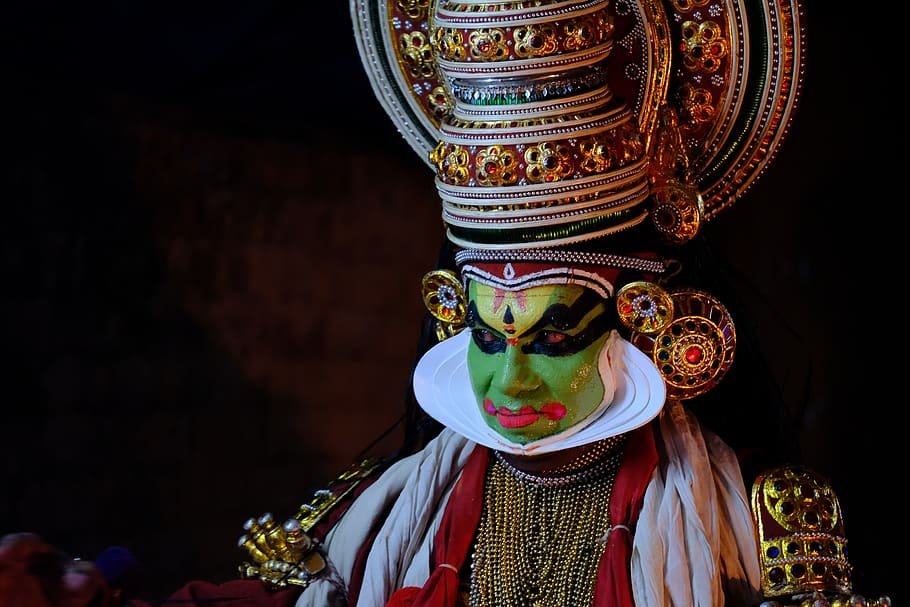
This creates different engagement pattern. Japanese tourists spend more time understanding how things work. They ask detailed questions. They appreciate explanations of traditional methods.
Operators who understand this provide more detailed cultural information to Japanese groups. The depth of engagement increases satisfaction.
Singapore’s Stressed Professionals
Singapore has extreme work culture. Burnout is common. Short breaks are essential.
Kerala offers effective stress relief. The backwaters’ pace contradicts Singapore’s intensity completely.
The disconnection possible on luxury houseboats appeals to Singaporean professionals. Proper rest in short time frames.
Weekend extensions work. Friday-Monday trips to Kerala from Singapore are viable. This makes Kerala competitive with closer weekend destinations.
The lack of activities paradoxically appeals. Nothing to do. Nowhere to rush. Just floating on water. For stressed Singaporeans, this is exactly what’s needed.
The Honeymoon Market
Asia-Pacific honeymoon market is substantial and growing.
Kerala entered this market effectively. Backwater houseboats offer romance without beach resort clichés.
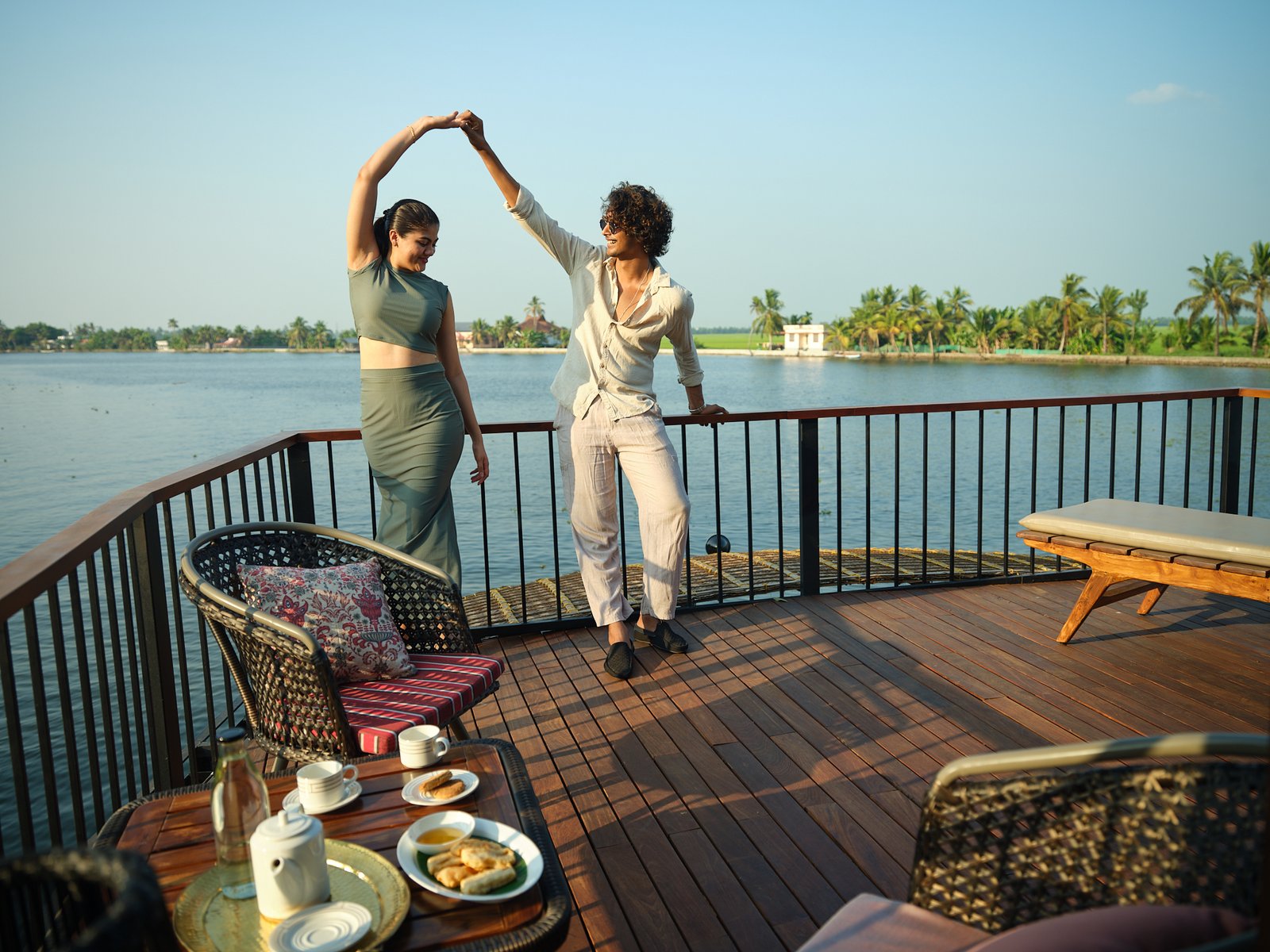
Japanese newlyweds increasingly choose international honeymoons. Kerala provides unique option. Different from Hawaii or Europe.
Australian couples seek honeymoon destinations that aren’t overcrowded with other Australians. Kerala still feels undiscovered relative to Bali or Thailand.
Singapore couples want nearby but special. Kerala delivers exotic feeling without excessive travel time.
The privacy of exclusive houseboat bookings suits honeymooners. Just the couple, crew stays discreet. Romantic setting without other guests.
Group Travel Patterns
Asia-Pacific markets show different group travel behaviors.

Japanese travelers often move in organized groups. Tour packages to Kerala increased. Multi-day itineraries including backwaters.
Australian friends travel together frequently. Groups of four to eight booking houseboats together. The social aspect matters.
Singaporean extended families take trips together. Multi-generational groups. Larger houseboats accommodate these family configurations.
The group dynamics work on backwater trips. Shared experiences. Common spaces on boats. Privacy in cabins. The setup suits Asia-Pacific group travel preferences.
What Hasn’t Worked
Not everything about Kerala appeals to Asia-Pacific travelers.
Language barriers frustrate Japanese tourists accustomed to English signage and communication. Outside major tourism areas, this becomes difficult.
Australian travelers sometimes find Indian bureaucracy annoying. Visa processes. Arrival procedures. The efficiency expected from Australian systems doesn’t translate.
Singapore travelers notice cleanliness differences. Kerala is cleaner than much of India but still falls short of Singapore standards. This creates adjustment.
The lack of public transport integration bothers some. Asia-Pacific cities have excellent public transport. Kerala’s reliance on private vehicles and limited public options feels backward.
These friction points haven’t stopped growth. But they’re real limitations acknowledged by travelers from these markets.
How Operators Adapted
Smart backwater operators recognized Asia-Pacific market potential and adjusted.
Japanese language materials appeared. Some guides learned basic Japanese. Attention to Japanese preferences like punctuality, organization, cleanliness.
Australian market got targeted through partnerships with Australian travel agents. Familiarization trips brought Australian sellers to Kerala.
Singapore marketing increased. Digital campaigns. Travel fair presence. Partnerships with Singapore travel platforms.
The houseboats themselves upgraded to meet international expectations. Better bathrooms. Reliable AC. Quality linens. Standards matching what Asia-Pacific travelers expect from luxury accommodation.
Food menus adjusted slightly. More seafood prominence. Less aggressive spicing as default with option to increase. Better coffee acknowledging Australian coffee culture.
Practical Differences for Asia-Pacific Travelers
Trip length varies by market.
Japanese tourists average 3-4 days in Kerala within larger India trips. Efficient, packed itineraries.
Australians stay 7-10 days often. Combine backwaters with beaches, hill stations. More relaxed pacing.
Singaporeans do 3-5 day trips frequently. Long weekends extended. Quick intensive breaks.
Booking patterns differ. Japanese book through agents mostly. Australians book direct increasingly. Singaporeans split between agents and direct booking.
Payment preferences vary. Credit cards standard for Australians and Singaporeans. Japanese sometimes prefer cash or specific payment methods.
These differences require operational flexibility. One-size approach doesn’t serve all Asia-Pacific markets equally.
The Future Trajectory
Asia-Pacific visitor numbers to Kerala will likely continue growing.
Flight connectivity keeps improving. More routes. Better pricing. Increased frequency.
Regional economic growth in Southeast Asia creates larger middle class with travel budgets. Kerala benefits from this expansion.
Japan’s aging population paradoxically helps. Retirees have time and money. Kerala appeals to this demographic.
Australia’s strong economy and established India connections support continued growth.
The trajectory is positive unless major disruptions occur. Economic crisis. Health scares. Political instability. Absent these, growth continues.
What This Means for All Travelers
More Asia-Pacific visitors changes backwater tourism character.
Multilingual signage increases. More variety in communication. Better English generally but also Japanese, Mandarin occasionally.
Food options broaden. More seafood focus. Coffee quality improves. Breakfast variety expands.
Service standards lift. Asia-Pacific travelers have high expectations. Operators raise standards to meet them.
Photography opportunities get better managed. Operators understand travelers want specific shots. Timing and positioning accommodate this.
These improvements benefit all travelers. The Asian-Pacific market drives quality up.
How Spice Routes Responds
Spice Routes identified Asia-Pacific growth early and positioned accordingly.
The luxury houseboats already met international standards. This served Asia-Pacific expectations well.

The crew training emphasized cultural sensitivity. Understanding Japanese preferences for precision. Australian casual friendliness. Singaporean efficiency expectations.
Food quality increased. Fresh seafood prioritized. Coffee upgraded significantly. Meal presentation improved.
The village programs proved especially popular with Japanese tourists. Organized cultural experiences matched their preferences.
Small boat excursions appealed to photographers. Spice Routes times these for optimal light. Positions boats for composition. Understands the photography priority.
The farmhouse boarding differentiates effectively. Asia-Pacific travelers appreciate avoiding crowded jetties. The heritage property appeals to Japanese sensibilities.
Booking systems improved. Online booking works well for Australian and Singaporean travelers. Payment flexibility accommodates different preferences.
Communication got more responsive. Email response times shortened. Information detail increased. The level of pre-trip communication Asia-Pacific travelers expect became standard.
The narrow canal routes Spice Routes uses provide quiet experiences Japanese and Singaporean stressed professionals specifically seek. Less boat traffic. More genuine calm.
The responsible tourism programs resonate strongly with Japanese value systems. Respect for communities. Fair compensation. Cultural preservation. These aren’t just marketing but operational reality.
For Australian groups, the larger houseboats accommodate friendship groups comfortably. The boats designed for 6-8 guests suit Australian travel patterns.
Singapore families find the multi-cabin arrangements work for extended family groups. Grandparents, parents, children all accommodated with appropriate privacy.
Spice Routes didn’t create separate products for different markets. They enhanced existing operations to serve diverse international expectations well.
The result is Asia-Pacific travelers finding Spice Routes through research and returning satisfied. Reviews in Japanese travel forums. Australian travel blogs. Singapore travel platforms. The word spreads organically.
The growth is sustainable because it’s built on genuine quality rather than marketing alone. Asia-Pacific travelers research thoroughly. They discover Spice Routes because the operation delivers what they’re seeking.
The challenge is maintaining quality as numbers grow. Spice Routes addressed this through controlled expansion and continued crew training. Not maximum capacity exploitation but steady quality improvement.
For travelers from Australia, Japan, Singapore, and broader Asia-Pacific, Spice Routes represents Kerala backwater experience meeting international expectations while preserving authentic local character.
Kerala Backwaters for Asia-Pacific Travelers
International-standard luxury houseboats: spiceroutes.in
Experienced with Japanese, Australian, Singaporean travelers. Cultural sensitivity training. Quality standards meeting Asia-Pacific expectations.
Leave a Reply