
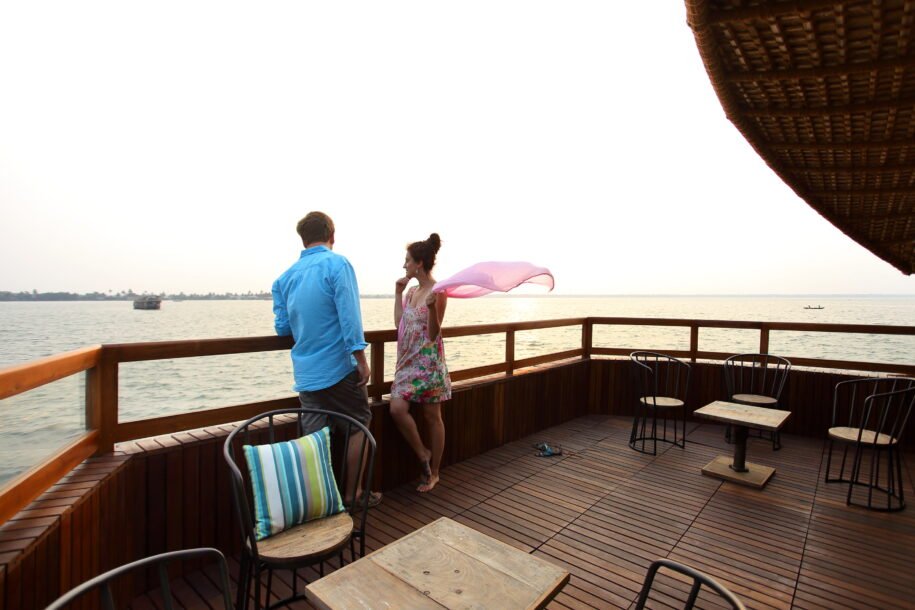
The backwaters look different every few hours. Light changes. Water changes. The whole atmosphere shifts. If you care about getting good photos from your houseboat trip, timing matters more than equipment.
Here’s when to have your camera ready and what you’re actually shooting for.
Early Morning: 5:30 AM to 7:30 AM
This is the best light you’ll get all day. Not maybe the best. Definitely the best.
Mist sits on the water most mornings, especially November through February. The sun comes up behind it. You get layers of visibility. Close objects sharp, middle distance soft, far background completely obscured. That depth creates images that look three dimensional even on a flat screen.
The light itself is cool toned. Blues, soft grays, touches of pink near the horizon. Water reflects this without the harsh glare you get later. Village activity is starting but still quiet. A man paddling a small boat. Women at the water’s edge beginning washing. Smoke from morning cooking fires rising straight up in still air.
Houseboats anchor overnight in quiet sections. If you’re with Spice Routes, they position boats where morning light works well. You’re not fighting other boats in the frame. The canal stretches clean in both directions.
What to shoot:
Mist itself. Layer it. Get three or four distinct depth zones in the frame.
Silhouettes. Palms against early sky. Boats. People. Anything with strong shape reads well against soft background.
Reflections. Morning water stays calmer. Mirror images of palms, boats, sky work before wind picks up.
Activity starting. The first fisherman out. Someone opening shutters. Daily life beginning has authenticity that staged activity doesn’t.
The challenge is being awake. If you did overnight on the houseboat, getting up at 5:30 AM requires actual commitment. But people who do it consistently say the photos justify losing sleep.
Late Morning: 9 AM to 11 AM
By now mist has burned off. Light is stronger but not harsh yet. This is decent shooting time though not magical.
Colors saturate more than early morning. Green of the palms, blue of sky, brown of water all show clearly. If you want documentary style images showing what the backwaters actually look like in clear light, this window works.
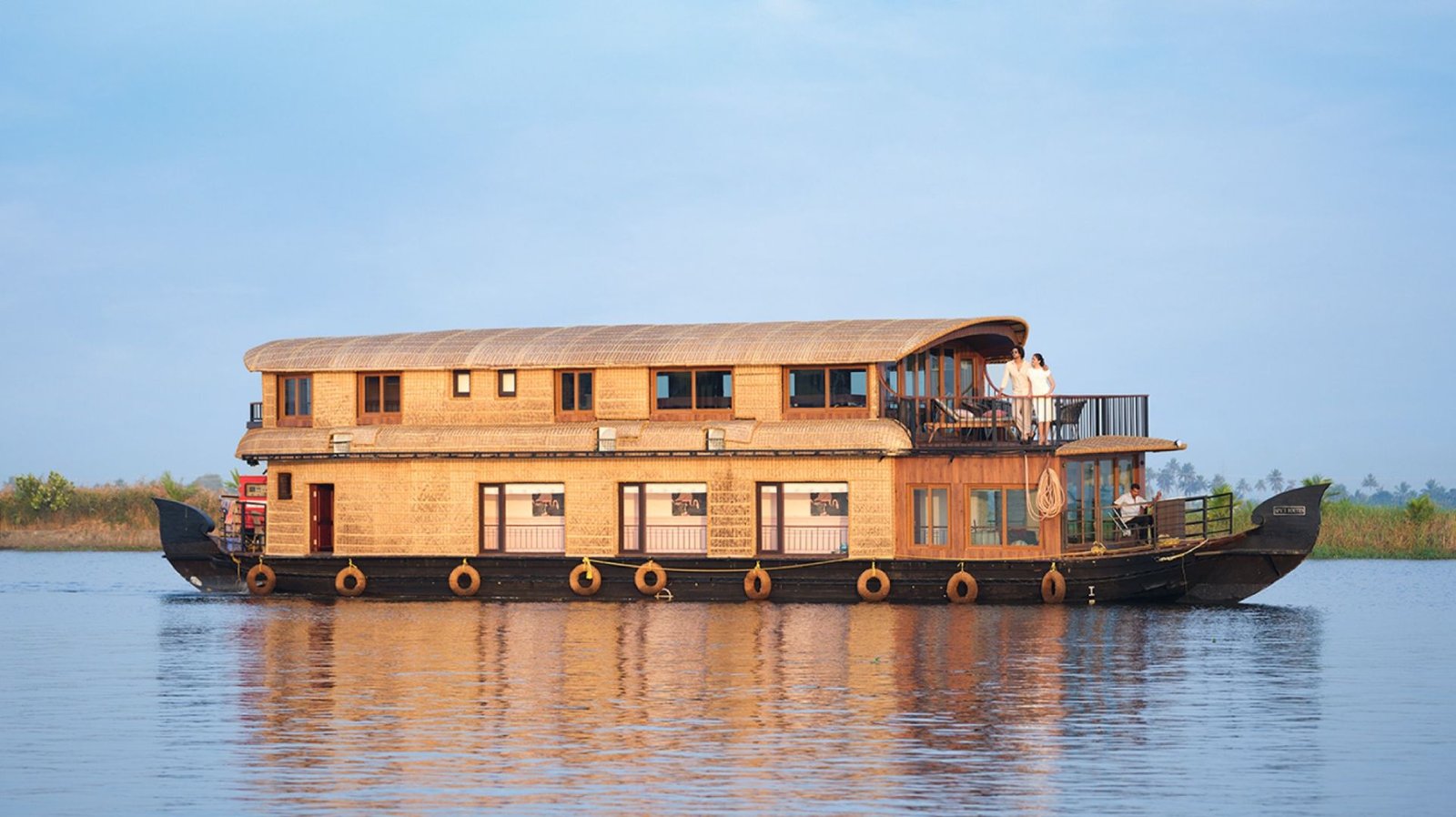
Village life is fully active. Kids heading to school by boat. Markets operating on the banks. Fishermen working seriously rather than just starting out. You can shoot culture and daily activity without it feeling forced or early morning sleepy.
The sun angle is higher but not directly overhead. You can shoot in multiple directions without fighting extreme shadows or blown highlights.
What to shoot:
Village scenes. Active markets, school boats, people working.
Details. Close ups of boat construction, rope work, the way palms are tapped for toddy, fishing net patterns. Strong light shows texture.
Wide shots of the canal system. The backwater network spreading out, showing scale and geography.
People portraits if you’re respectful about it. Better light for faces than harsh midday sun.
This is also good time for shooting video if that’s your thing. Sound is active, light is workable, motion looks natural.
Midday: 11 AM to 3 PM
Photographically, midday is rough. Sun directly overhead creates flat light with hard shadows. Water glare becomes severe. The backwaters look washed out.
Professional photographers call this dead time. If you’re serious about images, midday is for eating, resting, or being on the lower deck where harsh light doesn’t matter.
That said, midday on a luxury houseboat operated by someone like Spice Routes serves other purposes. The AC works well. Food comes out. You’re not obligated to be shooting constantly. Sometimes the point is experiencing the trip, not documenting every moment.
If you must shoot midday:
Go for high contrast intentionally. Harsh shadows can work if you make them the point rather than fighting them.
Shoot into shaded areas from bright sun. The exposure range creates drama even though technically it’s difficult.
Focus on details that don’t need soft light. Textures, patterns, close architectural elements.
People inside the boat rather than outside. The interior cabin light works better than exterior at this hour.
Honestly though, midday is rest time. Save your energy for late afternoon.
Late Afternoon: 3:30 PM to 5 PM
Light starts improving again. Sun gets lower. The extreme glare eases off. Colors warm up slightly.
This isn’t as good as early morning, but it’s the second best light of the day. If you’re not a morning person, late afternoon gives you a chance at quality images without predawn wake up.
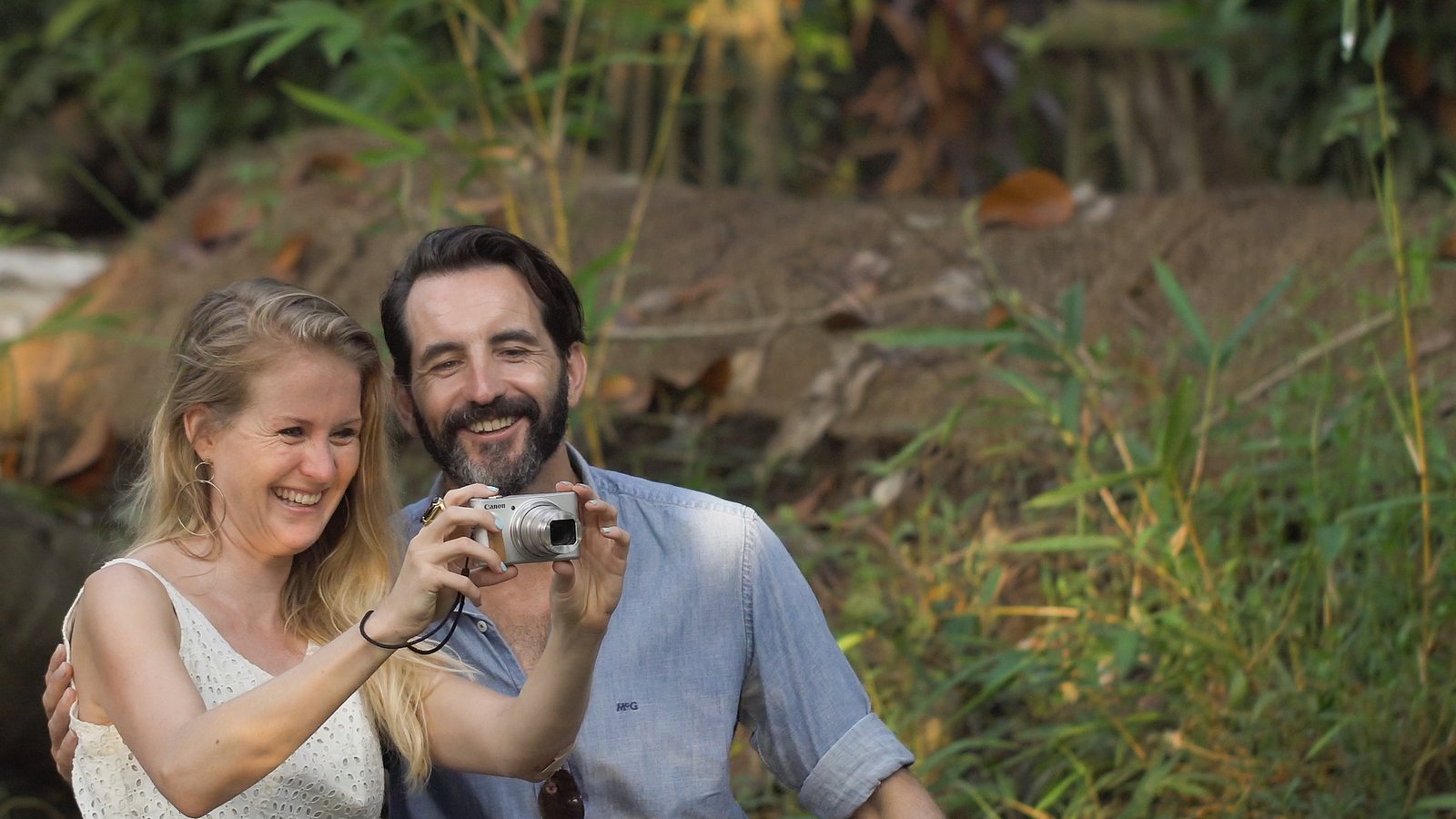
The backwater activity shifts. Fishing nets come in. School boats return. People start evening routines. Smoke from cooking fires rises again but from different angle than morning.
Shadows lengthen which adds dimension. The flat midday look disappears. Depth returns to scenes.
What to shoot:
Fishing activity. Nets being hauled, catch being sorted, boats returning loaded.
Village life transitioning to evening. Kids back from school, people finishing work, animals being tended.
Long shadows across water or rice paddies. These create leading lines and visual interest.
The boat itself. Your houseboat looks better in angled light than midday flat light. Get shots of the deck, the traditional architecture, details of construction.
Late afternoon also works for people photos. The light flatters faces more than midday blast.
Golden Hour: 5 PM to Sunset
This is the second magic window. Photographers obsess over golden hour for good reason.
Light goes warm. Gold, orange, amber tones dominate. Everything it touches looks richer. Skin tones improve. Water glows. Even ordinary scenes get visual upgrade.
The backwaters specifically benefit because water reflection doubles the golden light effect. You’re getting warm light from sky and warm reflection from water. Subjects sit in this golden envelope.
Silhouettes work again. Palms against sunset sky. Boats. People. The contrast is gentler than morning but equally effective.
What to shoot:
Anything with water in frame. The reflection multiplies the golden hour effect.
Wide landscape shots. The entire canal system under warm light creates epic scope.
Close ups of people. Faces look great in this light. If you’ve connected with locals and they’re comfortable being photographed, this is your time.
The boat deck and your group if you’re traveling with people. These become the vacation photos people actually want to look at later.
Silhouettes as sun drops toward horizon. Clean shapes against colorful sky.
The timing is tight. Maybe 45 minutes of real golden hour. After that you’re into sunset proper, which is different light.
Sunset: 6 PM to 6:45 PM
Sunset timing varies by season but roughly 6 to 6:45 PM during peak backwater season (November to March).
The sky does what skies do. Color show. Purples, pinks, oranges, reds bleeding into each other. Kerala sunsets are reliable. The humidity and atmosphere create color even on days that were otherwise hazy.
Water reflection means you get the sunset twice. Once in sky, once in canal. If you compose carefully, you can fill the frame with sunset color top and bottom.
Houseboats typically anchor for the evening around this time. You’re stationary, which helps with steadying shots as light drops and shutter speeds slow.
What to shoot:
Classic sunset images. Sky, water, silhouetted foreground.
Reflections in still water. Anchor time means less boat wake, cleaner reflection.
Silhouettes more dramatic now than golden hour. The contrast is stronger.
Wide establishing shots showing where you are in this light.
The problem is everyone shoots sunset. Your backwater sunset photos will look similar to other people’s backwater sunset photos unless you find unique foreground or framing. Palms work. Traditional fishing nets work. The boat itself works. Empty canal reflecting sky gets repetitive.
Blue Hour: 6:45 PM to 7:30 PM
After sun drops below horizon, you get blue hour. Sky holds blue tones. Artificial light from villages starts showing warm yellow against cool blue sky. This contrast creates particular mood.
Blue hour is harder to shoot than golden hour or sunset. Light levels drop fast. You need higher ISO or longer exposures. Tripod helps though not essential if your houseboat is anchored stable.
Village lights become the subject now. Small electric bulbs, oil lamps, fires. These warm light sources pop against blue hour sky.
What to shoot:
Villages with lights coming on. The warm window light against blue sky creates strong color contrast.
The canal with twilight sky reflected.
Boat deck with cabin lights on, shot from outside or from the water looking back.
Long exposures if you have tripod. Water motion blurs, lights streak slightly, creating painterly effect.
People around the evening setup on deck. Faces lit by boat lights, sky going dark behind them.
Blue hour ends when sky goes fully dark. Maybe 45 minutes total. Then you’re into night photography which requires different technique.
Night: 8 PM Onward
Night photography on the backwaters is challenging. Little ambient light. The boat moves or rocks slightly which blurs long exposures. Most people don’t have gear for this.
But some images work.
Stars, if you’re away from light pollution and sky is clear. Long exposure pointing up from the deck. You’ll get star trails if exposure runs long enough.
Cabin interior lit up, shot from outside. Warm human space glowing in dark landscape.
Reflections of boat lights in water immediately around the hull.
Village fires or celebrations on shore, if you happen to anchor near one.
Honestly, night is better for experiencing than photographing. The sounds, the darkness, the stars, these work better in memory than in images. Put the camera away and just be there.
Weather Considerations
Everything above assumes decent weather. Clouds change things.
Overcast skies kill golden hour and sunset color. But they create soft, even light all day. Good for portraits and detail work, less good for dramatic landscapes.
Rain can create interesting images if you’re willing to risk your camera. Rain on water, mist from rain, wet palms and surfaces. The mood shifts completely.
Partly cloudy is actually ideal. Clouds add visual interest to sky. They create varied light as they pass in front of sun. But you still get color at sunrise and sunset.
Practical Camera Notes
Phone cameras handle most of this. Modern phones do well with high dynamic range scenes like bright sky over darker water. They struggle with very low light like blue hour and night.
If you have a real camera, bring it. The ability to control exposure and use longer lenses makes difference. But don’t let equipment become the point. Better to shoot with a phone and actually get images than obsess over gear.
Bring extra batteries or charging options. You’ll shoot more than usual. Batteries drain faster in humidity.
Protect equipment from water and humidity. Salt water spray on houseboats can damage electronics. Keep gear in sealed bags when not shooting.
Shoot raw if your device allows it. Backwater light can be tricky to expose perfectly in camera. Raw files give you latitude to fix things later.
What Actually Matters
The best photos from backwater trips usually aren’t the technically perfect ones. They’re the ones that capture something true about the experience.
A slightly soft morning mist shot that shows the actual quiet. A midday image of lunch being cooked that documents what you ate. An evening photo of your group on deck that reminds you of the conversation happening when it was taken.

Yes, golden hour light makes things prettier. Yes, getting up for dawn mist gives you shots other people miss. But don’t let photo obsession replace actually experiencing the trip.
Shoot when light is good. Put the camera away when it’s not. Be present for the parts that don’t photograph well. The best houseboat memory might be something that happened when you weren’t shooting at all.
Spice Routes positions luxury houseboats in spots that work photographically, but they’re not running a photo tour. They’re giving you access to the backwaters. The photos are documentation of that access, not the point of it.
That said, if you care about images, get up for the morning light. Stay out for golden hour and sunset. Those two windows will give you everything you actually need.
Photography on the Backwaters
Book houseboats positioned for good light: spiceroutes.in
Luxury houseboats anchor in quiet sections ideal for morning and evening photography.
Leave a Reply