
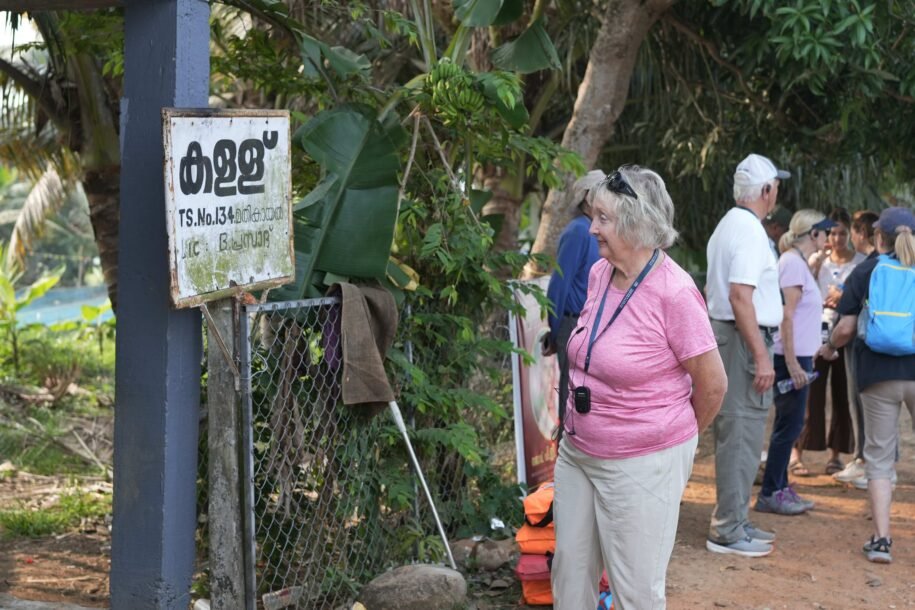
Toddy shops exist throughout Kerala, but the ones along the backwaters near Alleppey have something different. Location matters. Sitting at a shop with canals visible, palms swaying, boats passing creates an atmosphere city toddy shops can’t match.
Kallu, as locals call it, is fermented coconut palm sap. Fresh kallu is sweet and barely alcoholic. Left longer, it ferments stronger. The drink has been part of Kerala culture for centuries, long before beer or spirits arrived.
The shops serving it are social institutions. Men gather here after work. Conversations happen. News gets shared. Friendships maintain themselves over glasses of toddy and plates of food.
For visitors, a toddy shop stop offers something hotels and restaurants don’t provide. A glimpse into actual Kerala social life.
What Toddy Actually Is
Coconut palms grow everywhere in the backwaters. Each tree can be tapped for sap.
Tappers climb palms twice daily. Morning and evening. They make cuts in the flower clusters and hang clay pots to collect the dripping sap.
Fresh sap is sweet, milky white, barely fermented. Drink it within hours and it tastes like coconut water with a tang. Sweet, slightly fizzy, refreshing.
Leave it longer and natural yeasts ferment the sugars. After a day, it becomes mildly alcoholic. Two days, stronger. Three days, quite potent and vinegary.
The fermentation happens without adding anything. Just time and ambient yeasts. Traditional brewing at its most basic.
Most shops serve toddy at varying fermentation levels. Fresh, medium, strong. Guests choose based on tolerance and preference.
The Traditional Toddy Shop Setup
Backwater toddy shops are basic structures. Thatched roofs. Open sides. Simple wooden benches and tables.
The lack of fancy setup is the point. These aren’t restaurants trying to create ambiance. They’re functional drinking establishments serving a working class clientele.
Most shops have a small kitchen. Food gets cooked fresh. The menu is limited but what’s available is usually good.
The toddy itself sits in large earthen pots or plastic containers. Servers pour it into glasses or small clay cups. No bottles, no labels, nothing packaged.
Shops near the water have views. Canals, paddies, palms. The setting does the work. No decoration needed.
The Social Function
Toddy shops serve roles beyond just selling drinks.
Men finish work, stop at the shop, spend an hour or two before heading home. The routine is daily for regulars.
Conversations cover everything. Politics, farming, fishing catches, family news, village gossip. Information circulates through these spaces.
The shops are democratic in a specific way. Different castes, different economic levels sit side by side. The shared experience of drinking toddy levels some social hierarchies temporarily.
This doesn’t mean Kerala’s caste system disappears inside toddy shops. But the mixing happens more readily here than in many other village spaces.
For visitors, watching this social dynamic unfold provides insights into how small Kerala communities function.
The Food Pairing
Toddy without food is incomplete according to local custom. The shops serve dishes designed to pair with the drink.
Karimeen fry. Pearl spot fish, Kerala’s prized catch, marinated and fried crispy. The fish is fresh, often caught that morning from nearby waters.
Beef fry. Kerala doesn’t share the beef taboos common elsewhere in India. Beef cooked with spices, coconut, curry leaves until it’s dry and intensely flavored.
Prawns prepared multiple ways. Fried, curried, or just boiled with salt and lime.
Tapioca. Boiled cassava, a starch that soaks up the spicy gravies.
Duck roast. Fatty duck cooked down with spices until tender.
The dishes are spicy, salty, designed to make you drink more. The business model works.
Fresh ingredients matter. The fish came from local waters that day. Vegetables from nearby farms. Coconut from the palms you can see.
Portions are generous. Prices are cheap. The food often exceeds what you’d get in tourist restaurants claiming to serve authentic Kerala cuisine.
Timing Your Visit
Toddy shops have operating hours that reflect their social function.
Most open by late morning. 11 AM or noon. Some open earlier.
Afternoon sees steady traffic. Men finishing morning work, taking lunch breaks.
Evening is peak time. Post work crowds. The shops fill up. Conversations get louder.
Night operations vary. Some shops close by 9 or 10 PM. Others stay open later.
For tourists, afternoon visits work best. Less crowded than evening. Still atmospheric. Light is better for seeing the surroundings.
The Tapper’s Skill
Toddy tapping is specialized work requiring skill and nerve.
Tappers climb coconut palms that can reach 80 feet. They shimmy up barefoot or using rope loops. No safety equipment.
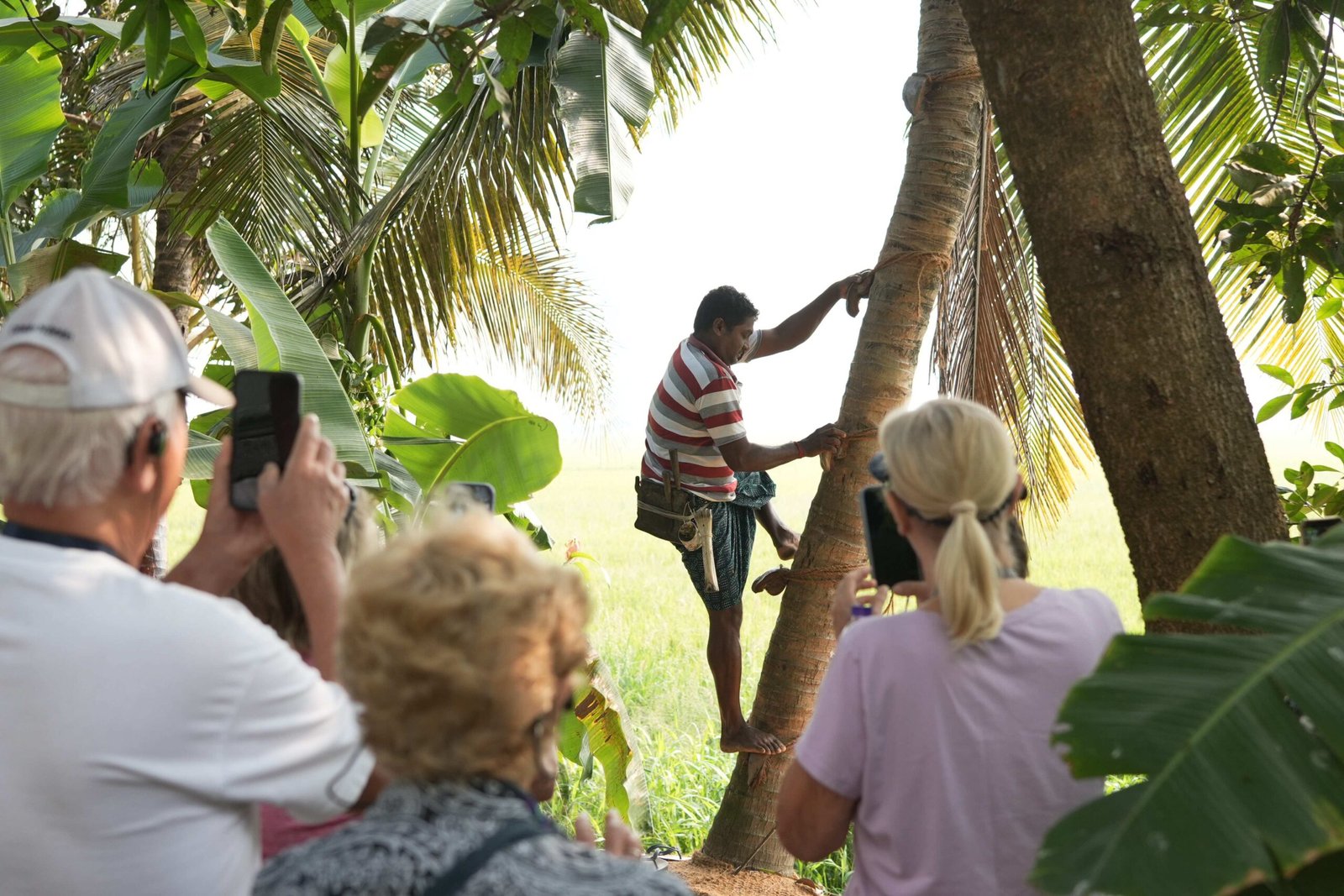
At the top, they navigate between fronds to reach the flower clusters. Cuts must be precise. Too deep damages the tree. Too shallow doesn’t yield sap.
Clay pots hang from these cuts. Tappers return twice daily to empty them and make fresh cuts.
The sap ferments in the pot during collection. Speed from tree to shop affects freshness.
Professional tappers handle dozens of trees daily. The physical demand is intense. The height is dangerous. Falls happen.
Some backwater villages allow visitors to watch tapping if timing works and tappers agree. The guide coordinates this.
Seeing the actual work helps you appreciate what goes into the drink you’re sipping at the shop.
Cultural Significance
Toddy appears throughout Kerala history and tradition.
Ancient literature mentions it. Temple festivals sometimes include toddy. Certain rituals use it.
The drink connects to coconut cultivation, which shaped Kerala’s economy for centuries. Every part of the coconut palm has use. Toddy is one more product from the same tree.
Toddy tapper communities have specific caste identities. The work passed through generations. Modern economic changes affect this, but the tradition persists.
For Kerala, toddy represents local, pre-colonial, pre-modern drinking culture. Beer and whiskey came with British influence. Toddy was always here.
The Tourism Question
Should tourists visit toddy shops? Opinions vary.
Some argue these are local spaces that tourism corrupts. Bringing foreigners changes the atmosphere. Makes locals self-conscious. Turns authentic gathering places into tourist attractions.
Others say respectful tourism supports these businesses. Many shops struggle economically. Tourist visits bring income. Guides who bring groups often arrange for shops to prepare special food, which pays better than regular local custom.
The key is how visits happen. Large tour groups rolling in with cameras blazing, treating locals as exhibits, creates problems. Small groups with guides who know the shop, explain proper behavior, facilitate respectful interaction works better.
Spice Routes village visits sometimes include toddy shop stops. The crew knows which shops welcome visitors. The groups stay small. Guests get briefed on etiquette beforehand.
Visitor Etiquette
If you visit a toddy shop, certain behaviors help.
Ask before photographing people. Some men don’t want to be photographed drinking. Respect that.
Keep voices moderate. Loud tourist chatter disrupts the space.
Try the toddy if interested, but don’t treat it as a dare or joke. It’s a normal beverage here.
Order food. Shops appreciate customers who eat, not just sample toddy for the experience.
Women visiting face complexity. Toddy shops are predominantly male spaces. Women tourists sometimes feel uncomfortable or make local men uncomfortable. This varies by shop. Guides can advise.
Don’t overstay. An hour is enough to experience the atmosphere. Longer and you’re occupying space local regulars want.
Tip appropriately but not excessively. Normal restaurant tipping standards apply.
Health and Safety Considerations
Toddy is alcohol. Fermentation strength varies. Fresh toddy barely affects you. Well-fermented toddy can get you drunk.
Ask the server about strength before ordering. They’ll tell you which batch is fresh versus strong.
Start with fresh if you’re uncertain. You can always ask for stronger if you want.
The clay cups shops use are generally clean. Washed between uses. But standards vary. If you’re cautious, stick to places guides recommend.
Food safety is good at established shops. High turnover means ingredients are fresh. Cooking happens in front of you.
Skip toddy shops entirely if you have alcohol restrictions for health, religious, or personal reasons. The village experience includes other elements.
Beyond the Stereotypes
Toddy shops have certain stereotypes in Kerala. Places where poor men get drunk. Sites of alcoholism and social problems.
Reality is more nuanced. Most customers drink moderately. They come for social interaction as much as alcohol. The community function matters.
Problems exist. Alcoholism is real. Some shops serve over-fermented toddy specifically to get customers drunker faster. Economic desperation drives some drinking.
But painting all toddy shops as dens of vice misses their cultural role. They’re complex spaces serving multiple functions in village life.
Visitors see one slice of this. An hour or two. The full picture requires understanding Kerala’s social dynamics, economic pressures, changing traditions.
What you experience at a toddy shop is real. It’s also partial. Keep that perspective.
Seasonal Variations
Toddy production varies seasonally.
Peak season runs October through March. This aligns with tourist season. Weather is better. Palms produce more sap.
Summer months (April to June) are hot. Production continues but tappers work in brutal heat.
Monsoon (June through September) complicates tapping. Climbing wet palms is dangerous. Some tappers reduce work during heavy rain periods.
Fresh toddy is always better than day-old toddy. Shops with high turnover serve fresher product. Tourist stops often have good turnover during peak season.
The Economics
Toddy prices are very low compared to other alcohol.
A glass of toddy costs a fraction of a beer. The food, while excellent, is cheap.
This pricing reflects the customer base. Working class men with limited disposable income. Shops survive on volume, not high margins.
Tourist visits don’t typically change pricing. Shops charge the same rates. This feels authentic but also means shops don’t profit much from tourism.
Some shops near tourist areas have started charging slightly more when groups visit. Still cheap by tourist standards but higher than local rates. This creates tension sometimes.
Revenue from food probably matters more than from toddy itself. The profit margins on dishes are better.
How This Connects to Backwater Trips
Toddy shops aren’t typically standalone tourist destinations. They’re part of broader village exploration.

On backwater trips with operators like Spice Routes, a toddy shop stop might happen during village walks or after small boat canal rides.
The shop provides context for other things you’re seeing. Why so many palms grow here. What traditional livelihoods involve. How village social life functions.
The experience works better integrated into larger village engagement than as isolated “let’s visit a toddy shop” tourism.
Guides who bring guests have usually built relationships with specific shops. The owners know them. This makes the visit feel less intrusive.
What You’ll Remember
Most visitors remember a few specific things from toddy shop visits.
The taste. Fresh toddy surprises people. It’s not harsh or burning like they expect alcohol to be. Sweet, fizzy, unusual.
The setting. Sitting under a thatch roof watching backwater life pass by while drinking something fermented that morning.
The food. Karimeen fry often gets mentioned. Properly cooked, fresh from local waters, spiced right, it’s memorable.
The social atmosphere. Men talking animatedly. Laughter. The shop as living social space rather than tourist attraction.
The simplicity. Nothing fancy. Just local people gathering in a basic structure drinking a traditional beverage.
These memories add texture to backwater trips. The boat, the water, the landscape provide one set of experiences. The village, the people, the toddy shop provide another.
Why Spice Routes Includes This
Spice Routes village visits often incorporate toddy shop stops because they illustrate aspects of Kerala culture that water-based cruising alone doesn’t show.
The luxury houseboats provide comfort and scenic cruising. Beautiful, relaxing, exactly what many guests want.
But Kerala isn’t just beautiful scenery. It’s a place where people live complex lives, maintain traditions, create social spaces like toddy shops.
Combining luxury cruising with authentic cultural engagement provides fuller experience. You get the relaxation and comfort. You also get meaningful exposure to local life.
The toddy shop visit is one piece of this. Village walks, small boat rides, fishing demonstrations, market visits all contribute.
Spice Routes doesn’t run these as separate ticketed attractions. They’re woven into overnight or multi-day trips as part of how they operate.
The approach requires crews who know villages, guides who can facilitate respectful visits, relationships with communities that make access possible.
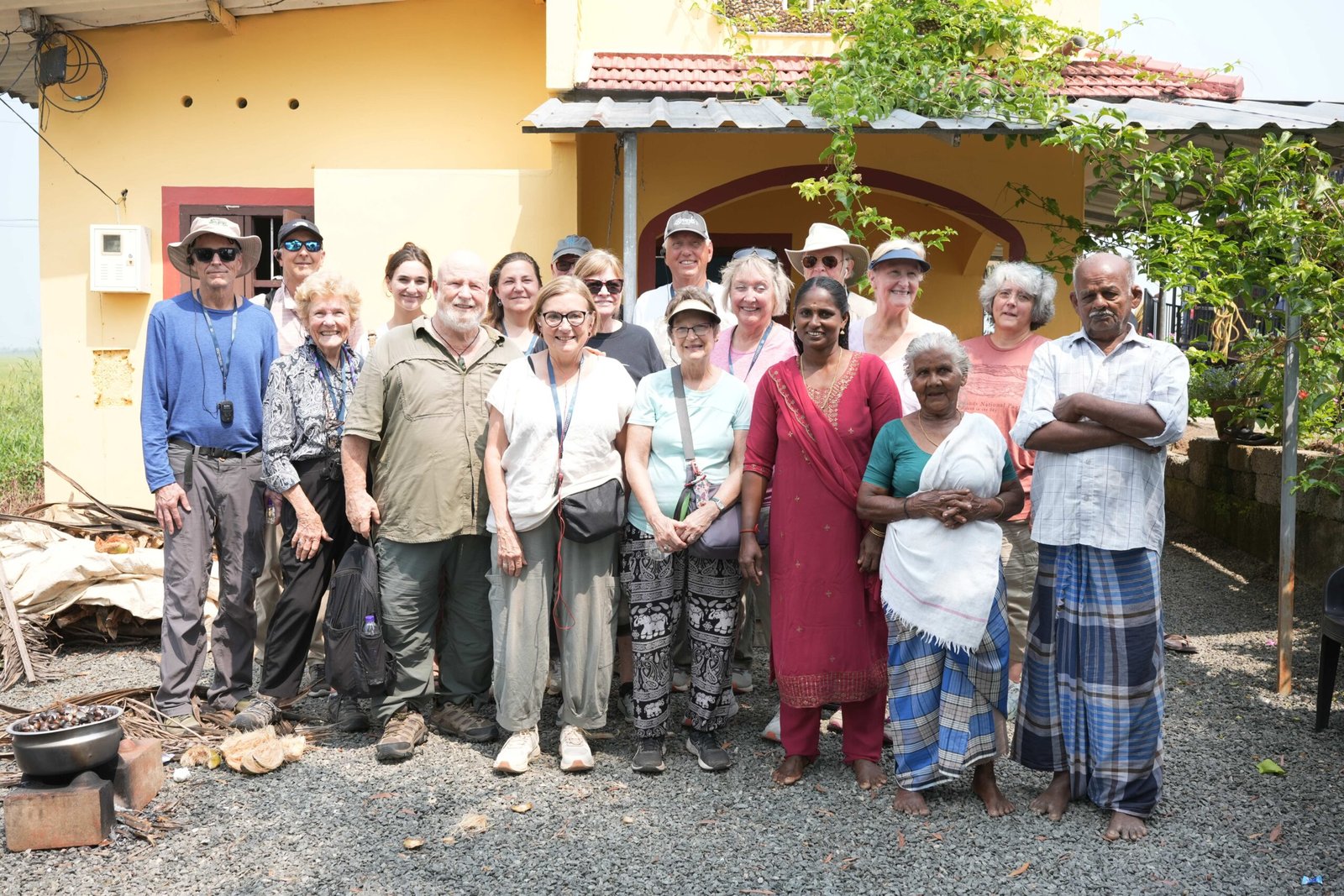
Not all houseboat operators do this. Many keep guests on boats, avoid the complexity of village engagement.
Spice Routes has built the infrastructure and relationships to make it work. The toddy shop stop, when it happens, feels natural rather than forced.
Guests interested in this aspect of backwater culture get meaningful access. Those not interested can skip it and stay on the boat.
The flexibility matters. Cultural tourism works best when optional, respectful, and well-executed.
Village Experiences Including Toddy Culture
Cultural village visits on luxury houseboats: spiceroutes.in
Guided toddy shop stops with local context, small groups, responsible approach.
Leave a Reply