

Spend two or three days at the Biennale and you’ll walk kilometers. Between venues, through installations, past wall texts, into artist talks. Your brain gets full trying to make sense of it all. By the time you’ve hit the major sites, you’ve taken in more than you realize.
Most visitors pack up and leave Fort Kochi. Catch the next train, grab a flight, head home. But there’s a route that actually makes more sense.
Alleppey sits 53 kilometers down the coast. What the backwaters offer is completely different from what you just spent days doing. No analysis needed. No deep thinking. Just water and open land and hours that pass without demands.
Why It Works
The Biennale happens in an urban setting loaded with context. Fort Kochi’s old colonial buildings, the spice trading legacy, centuries of cultural mixing, it all affects how you read the contemporary art. Worth experiencing, but draining.
The backwaters are rural and uncomplicated. Narrow canals, coconut palms, rice cultivation, villages running on routines that haven’t changed much. Your brain gets a break.
This contrast is the point. Coming from intensity to simplicity lets your brain process everything the Biennale threw at it. The ideas need space to settle. The backwaters provide that space without demanding you fill it with more input.
People who do this combination consistently report it works better than either experience alone. The Biennale gives you substance. The backwaters give you time to absorb it.
The Logistics Are Simple
Kochi to Alleppey takes roughly 90 minutes. Hire a car, have your hotel set it up, or if you’re booking with Spice Routes, they can arrange the pickup.
Typical flow: finish your last Biennale venue early afternoon. Check out. Drive south. You’re boarding your houseboat by mid afternoon. You’re on the water for sunset.
Alternatively, do a morning checkout, store bags at your hotel, catch one more Biennale venue or Fort Kochi site, then head to Alleppey early afternoon.
The timing works smoothly. No early morning rush. No complicated connections. Straightforward transition from one Kerala experience to another.
What Happens on the Houseboat
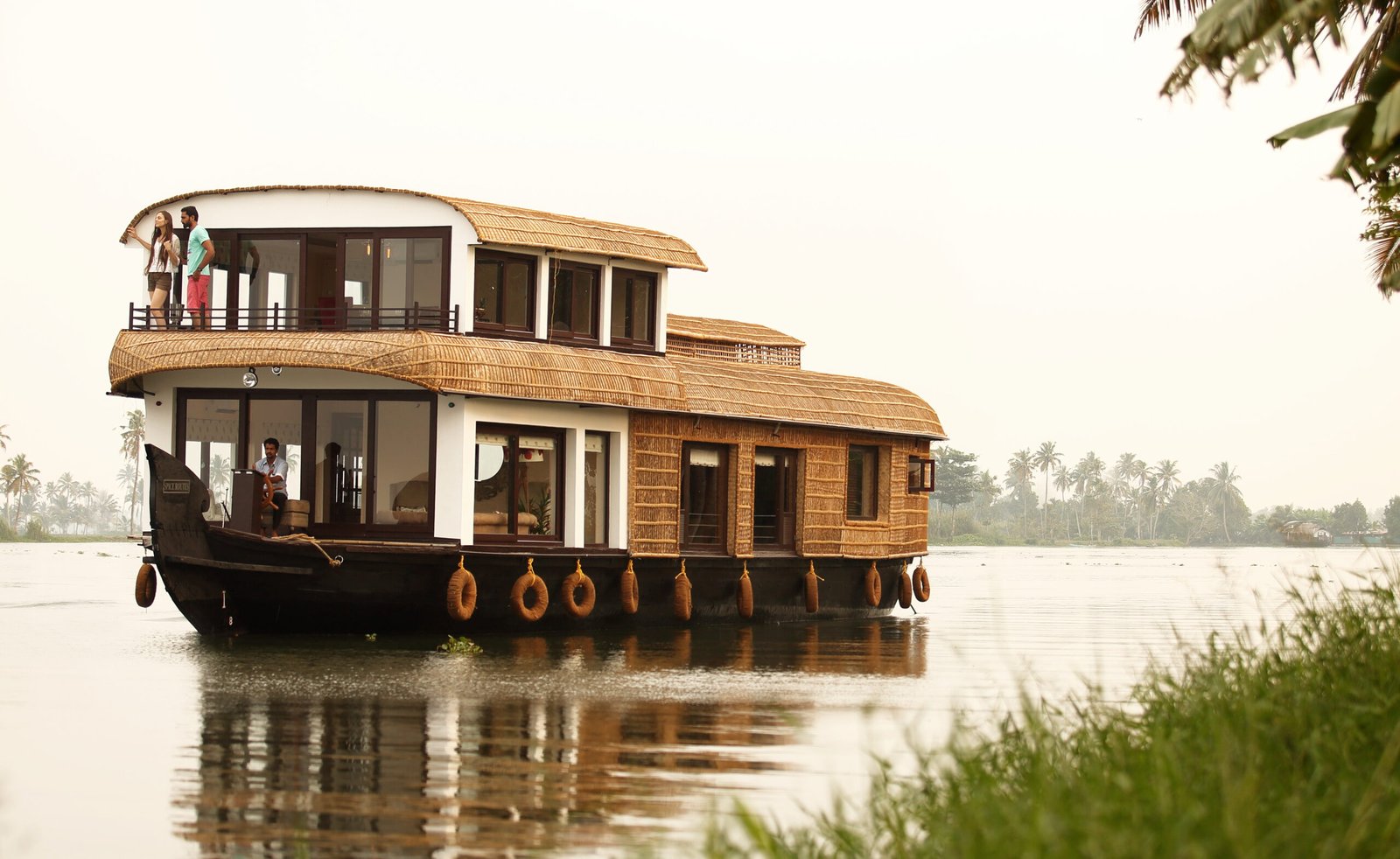
Luxury houseboats pick you up from Alleppey’s designated points. The boat starts moving through the canal system while you settle into your cabin.
Late afternoon is when the backwaters show well. Light softens. Temperature drops slightly from midday heat. Village activity picks up as people finish work and return home.
Evening tea arrives on deck. You’re watching the landscape change as the boat moves deeper into the canal network. Palms, water, occasional villages, fishermen working nets. Nothing demands response or analysis. You watch or you don’t. Both work fine.
Dinner happens around 8 or 9 PM. Kerala food prepared properly using local ingredients. Fish caught that day. Vegetables from nearby farms. Traditional preparations that actually taste like the region instead of tourist approximations.
The boat anchors overnight in quiet sections. Morning brings mist if you’re there November through March. Breakfast when you wake up. More cruising through canals. Checkout by mid morning.
One night covers it for most people. Two nights if you want more separation from the Biennale intensity or if you’re genuinely exhausted and need rest.
Why Luxury Matters After the Biennale
The Biennale involves a lot of walking. Fort Kochi’s lanes aren’t difficult but you cover several kilometers daily between venues. Standing in front of installations. Sitting through talks in whatever chairs the venue provides. The accommodations in Fort Kochi vary widely in quality.
By the end of three days, you’re physically tired even if you’re mentally stimulated.
Luxury houseboats address this directly. Comfortable beds that actually let you sleep. Air conditioning that works properly throughout the boat. Ensuite bathrooms with hot water and decent pressure. Furniture designed for actual use rather than just looking traditional.
The point isn’t showing off or unnecessary extravagance. You’re recovering from days of walking and looking at art. That matters, but it also tires you out. Good food, actual comfort, service that handles things without you having to ask, all of this lets your body rest while your brain sorts through what you saw.
Spice Routes runs their boats this way. Comfortable but not overdone. Attentive service that doesn’t hover. You’re looked after without needing to manage details.
How the Experience Changes You
People describe a specific shift that happens.
The first few hours on the houseboat, you’re still carrying Biennale energy. Talking about the art. Referencing things you saw. Your mind is active, making connections, analyzing.
Somewhere around evening of the first day, this drops off. Conversations shift. You talk about what you’re seeing on the banks. Or you don’t talk much. The backwater rhythm starts overriding the Biennale stimulation.
By morning, if you stayed overnight, you’re in a different state entirely. The art recedes into background memory. The immediate experience of water, morning light, simple breakfast becomes the present reality.
This isn’t forgetting what you saw. It’s giving those experiences room to integrate instead of immediately stacking another intense experience on top.
When you leave the backwaters and return to regular travel or home, the Biennale memories come back sharper. The time away from analyzing them let them settle into clearer form.
Who Does This
The pattern shows up across different traveler types.
International visitors from Europe, US, Australia often build this into their Kerala trips intentionally. They’ve come far. The Biennale was a main draw. But they’ve read enough to know the backwaters matter. Combining them makes the trip feel complete.
Art collectors and curators attending the Biennale professionally use the backwaters as decompression. Their Biennale experience is even more intense than casual visitors. Meetings, artist dinners, gallery events. The backwaters provide essential downtime before flying to the next destination.
Indian travelers from metros coming specifically for the Biennale discover this works as a mini break from city life. Mumbai, Delhi, Bangalore residents already exhausted from urban intensity find the backwater quiet particularly valuable.
Couples marking occasions combine the cultural experience of the Biennale with the romantic setting of the backwaters. The pairing gives them both intellectual stimulation and quality time together.
Timing Considerations
The Biennale runs December through March. This aligns perfectly with Kerala’s best weather and peak backwater season.
December and January pull the biggest crowds to the Biennale. They also deliver the best weather. Mornings are cool. Days stay comfortable. Evenings are pleasant. The backwaters look good.
February and March see fewer people at the Biennale while the weather holds. It gets warmer but not unbearably so.
If you’re planning December or January, book your backwater time early. Luxury houseboats fill fast, especially around holidays and weekends. February and March give you more options, but booking ahead still makes sense.
Other Places After the Backwaters
Some travelers treat the backwaters as a transition point to other parts of Kerala rather than the end of the trip.
Munnar is 4 hours from Alleppey. Hill station country, tea plantations everywhere, cooler air. After the backwaters, some people spend a few days there before leaving Kerala.
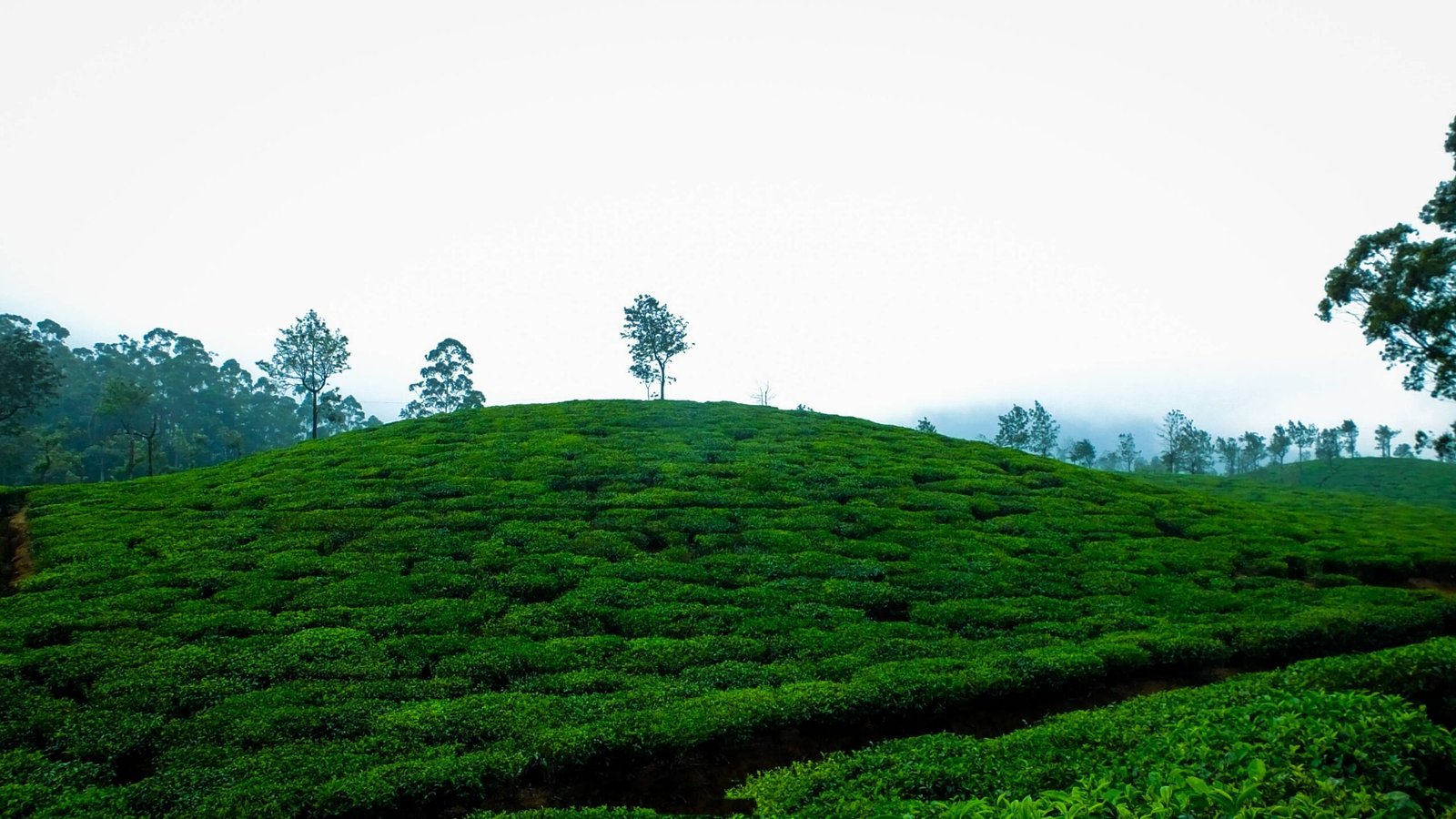
Thekkady sits about 4.5 hours away. Spice plantations, Periyar Wildlife Sanctuary. Different from both the Biennale and the backwaters.
Or you return to Kochi after the backwaters and fly out. The backwaters serve as a reset before returning to travel logistics.
What This Actually Delivers
The Kochi Muziris Biennale to Alleppey backwaters progression creates a specific kind of trip.
You get serious contemporary art engagement. Ideas, challenging work, global perspectives, the whole Biennale experience.
You get Kerala’s landscape and traditional life. The backwaters show you what the state looks like away from urban centers and art venues.
You get necessary rest between intense cultural experience and whatever comes next, whether that’s more travel or returning home.
The combination feels balanced in ways that either experience alone doesn’t quite achieve. Art without context can feel abstract. Traditional landscape without cultural framework can feel superficial. Together they provide both depth and breadth.
Practical Planning
Duration: Most people do 2-3 days at the Biennale, then 1-2 nights on the backwaters. This creates a 4-5 day Kerala trip that covers both experiences without excessive time commitment.
Accommodation: Stay in Fort Kochi for the Biennale. Heritage hotels put you close to venues. For backwaters, book houseboats directly rather than through hotel concierges who add commission.
Transportation: Hire a car for the Kochi to Alleppey transfer. This gives you flexibility for timing and luggage handling. Costs are reasonable and your Fort Kochi hotel can arrange it.
Packing: The Biennale needs comfortable walking shoes and layers for air conditioned venues. The backwaters need casual clothes, something warm for evening if you’re there December or January, and sun protection for deck time. Same bag works for both.
Budget: The Biennale itself is cheap. Most venues are free or low cost. Accommodation and food in Fort Kochi varies widely by choice. Luxury houseboats cost more than budget boats but deliver significantly better experience. Factor this in when planning overall Kerala budget.
The Honest Assessment
This combination isn’t for everyone. If you’re purely in Kerala for beaches or adventure activities, neither the Biennale nor the backwaters particularly fit. If you’re on an extremely tight schedule or budget, doing both might strain resources.
But if you value contemporary art and you want to understand Kerala beyond its tourist surface, this pairing makes sense. The Biennale shows you Kerala engaging with global culture. The backwaters show you Kerala’s foundational landscape and traditional life. Together they create fuller understanding.
The luxury houseboat specifically matters because quality rest after intensive art viewing isn’t optional, it’s functional. Your brain needs good food, comfortable sleep, and low demand environment to process what it absorbed.
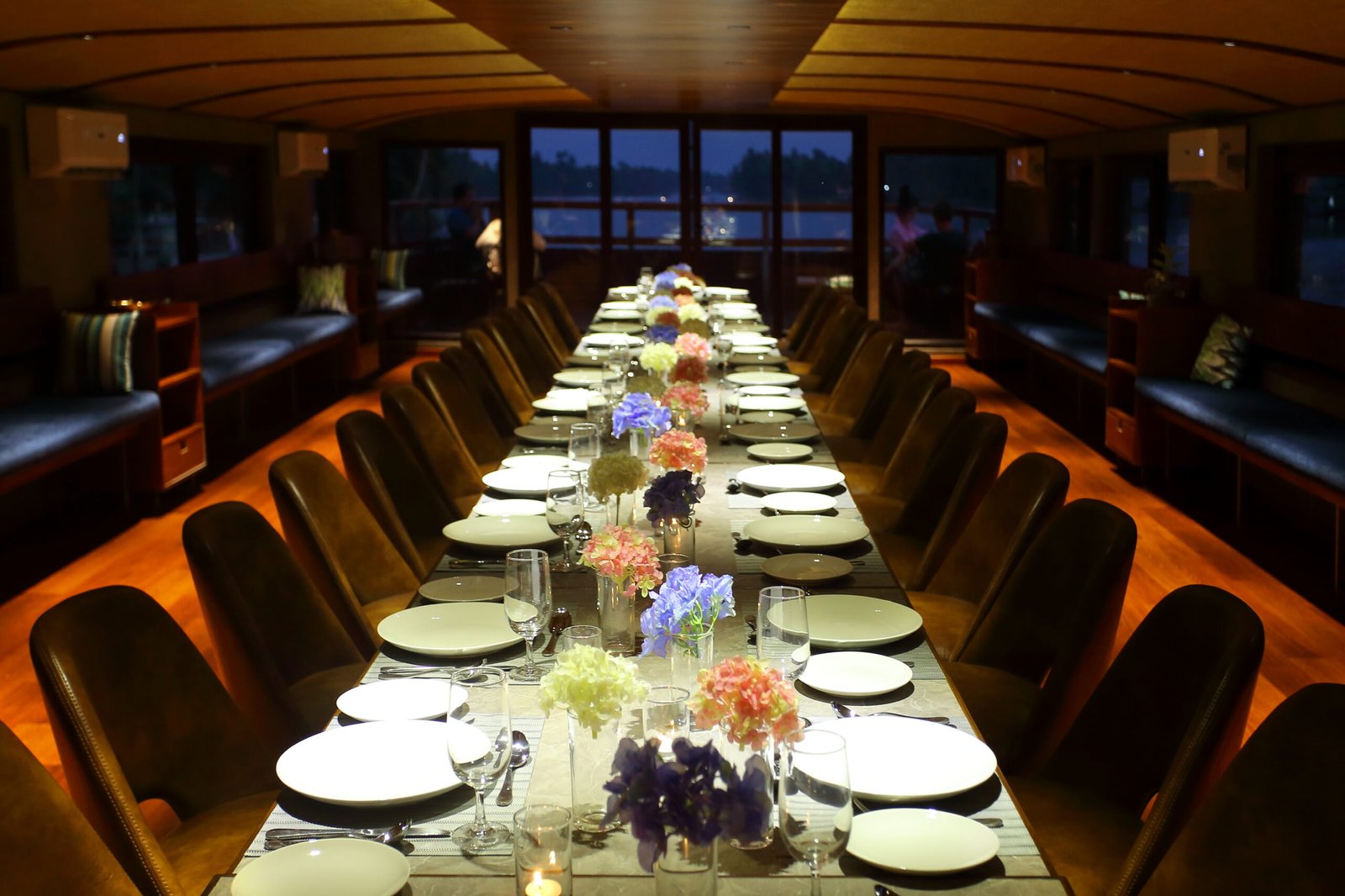
Spice Routes and similar quality operators provide this without making luxury the point. The point is the backwaters. The luxury just makes experiencing them work better.
What People Remember
Ask someone who did both what they remember from their Kerala trip and you get interesting answers.
They remember specific Biennale installations that stuck with them. They remember conversations about the work. They remember Fort Kochi’s streets and colonial architecture.
They also remember morning mist on backwater canals. Dinner on the houseboat deck. The quiet of being on water at night. Watching village life from the boat.
These memories don’t compete. They complement. The combination creates richer overall experience than either alone would provide.
The transition itself becomes memorable. The shift from walking Fort Kochi’s lanes full of Biennale visitors to floating through quiet canals watching fishermen work. That contrast marks the trip in ways that staying in one mode wouldn’t.
If you’re planning Kerala time around the Biennale anyway, adding the backwaters isn’t a diversion or distraction. It’s the logical next step that makes the whole trip work better.
Extend Your Biennale Trip
From Fort Kochi to backwater luxury: spiceroutes.in
Spice Routes operates luxury houseboats ideal for post-Biennale rest.
Book houseboats early during Biennale season (December to March).
Leave a Reply