
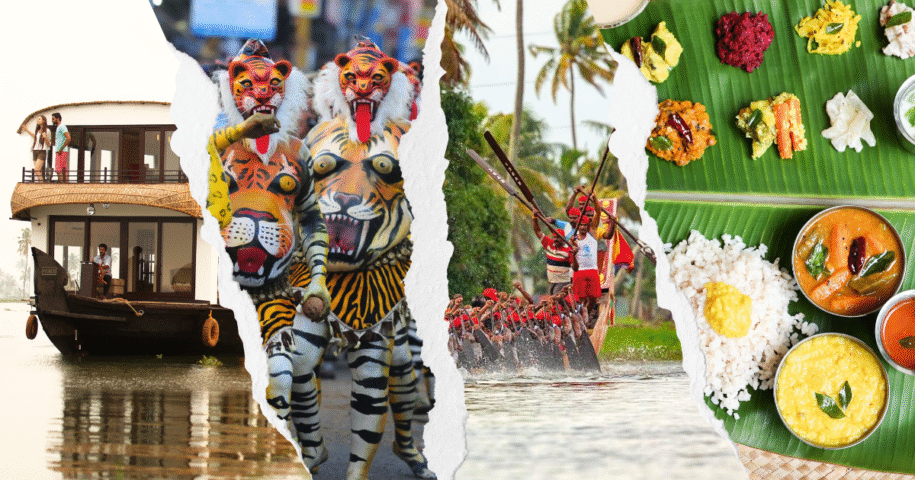
The mythology underlying Onam stretches back centuries. King Mahabali ruled Kerala in an age of absolute justice and equality. Everyone thrived. Nobody stole. Nobody lied. The gods grew jealous and called upon Vishnu, who came as Vamana, a dwarf Brahmin boy. He asked Mahabali for three paces of land. The generous king agreed. Vamana expanded to cosmic proportions. Two strides covered the earth and sky. For the third stride, Mahabali offered his own head. Touched by such devotion, Vishnu granted a boon: Mahabali could visit his beloved Kerala once every year. Onam celebrates that annual homecoming.
It’s not purely religious festival. It’s cultural identity. Over ten days starting around late August, Kerala transforms. Thiruvonam, the final day in 2026, falls on September 1st or 2nd depending on the lunar calendar. But the energy builds across all ten days. Pookalam flower carpets grow daily. Preparation intensifies. Anticipation mounts. By Thiruvonam, the entire state celebrates simultaneously. Every community. Every family. Every street.
For travelers onboard a houseboat during Onam, the experience is unavoidable and overwhelming in the best sense.
What Onam Means on the Backwaters
The canals become literal highways of celebration. Houseboats move slowly through village areas. You see Pookalam at every temple entrance. Flower arrangements growing more elaborate each day. Families preparing for Sadya feasts. Children dressed in new clothes. The rhythms of daily village life shift entirely toward festival.
The Vallam Kali boat races, the famous snake boat races, happen during Onam period. Champakulam hosts one of the oldest races. Aranmula hosts another. Smaller villages host their own versions. The backwaters fill with competitive energy. Boats you see might be practicing for races. Oarsmen preparing. The music of Vanchipattu heard across the water constantly.
Most significantly, Onam is when communities celebrate together. Religious divides pause. Social hierarchies ease. Everyone participates in the same festival with the same enthusiasm. For visitors, this means witnessing Kerala at its most unified and joyful.
The Onam Sadya Experience
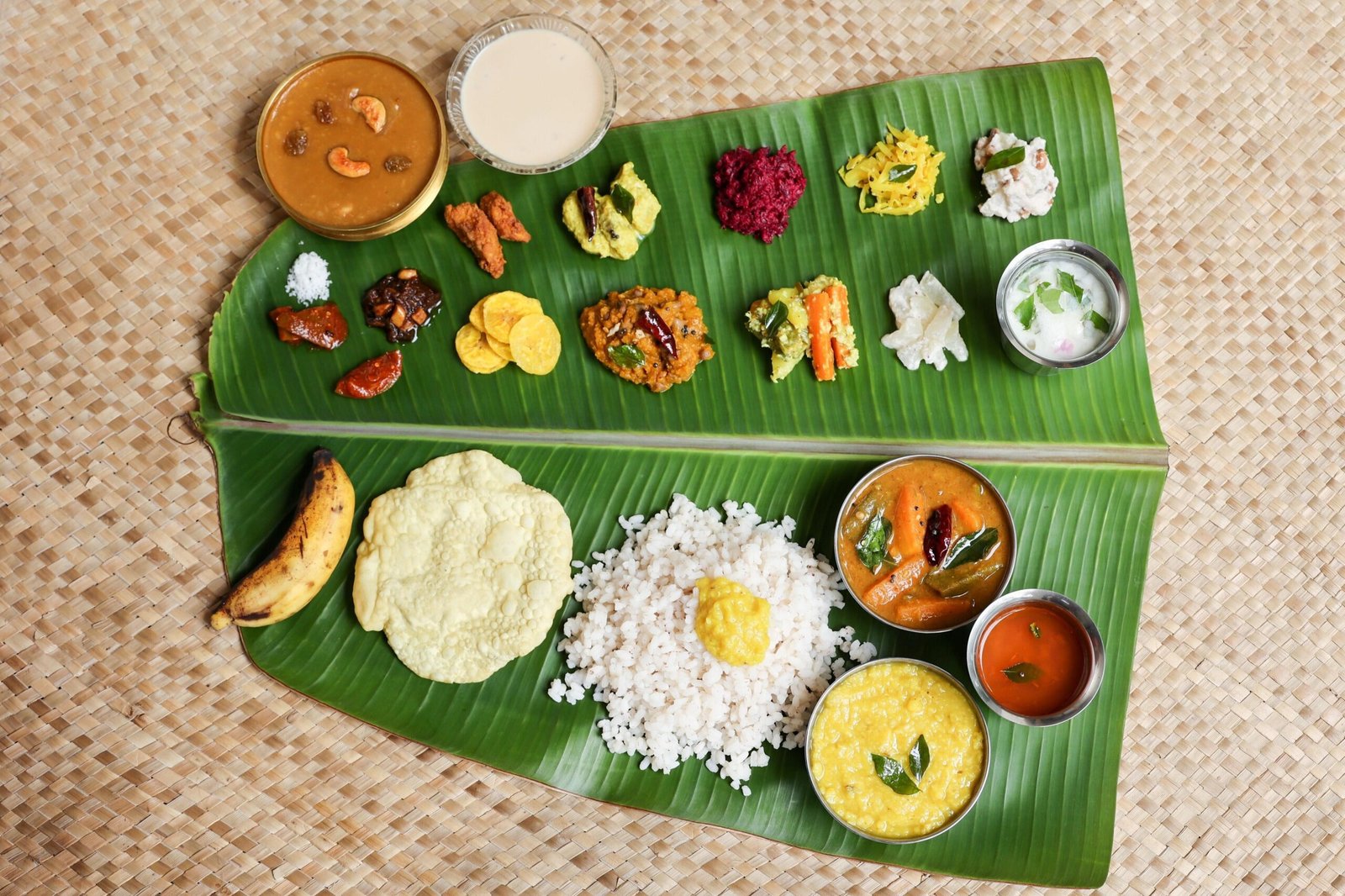
Sadya means feast. The Onam Sadya is no casual meal. It’s a carefully orchestrated 26 dish vegetarian offering served on a banana leaf. This isn’t casual tourism meal. This is culinary tradition refined across generations. Each dish holds significance. Each element positioned precisely on the leaf with purpose.
Starting from the left, pickles and accompaniments sit in strategic positions. Rice in the center. Parippu in its place. Then comes the procession of curries: Avial (mixed vegetables), Olan (white curry), Sambar (tangy lentil vegetable), Kalan (spiced yogurt based), Thoran (dry preparation). Erissery follows. Then Pulissery. Then specialty dishes depending on family tradition.
The ordering of eating matters. Start with sides. Move through curries with rice. Each element complements what comes before. The Payasam (sweet rice pudding with jaggery and coconut) arrives at the end. Buttermilk finishes the meal.
Spice Routes arranges Onam Sadya onboard their luxury houseboats with private chefs preparing meals specifically. Not standardized restaurant Sadya. Not pre made versions. Fresh ingredients sourced from local vendors during Onam week. Preparation happens on the houseboat itself. You taste food at peak freshness. The chef explains each dish’s origin and significance. You eat not just food but heritage.
This Sadya experience differs fundamentally from eating at restaurants on shore. Onboard, the meal connects intimately to your houseboat experience. You watch preparation. You smell the spices. You understand the labor and thoughtfulness involved. The meal becomes experiential rather than transactional.
Vallam Kali From the Water
Vallam Kali, boat races, punctuate Onam celebrations. Smaller races happen in various locations throughout the festival. Spice Routes knows which races occur where and when. They position houseboats strategically for access.
The energy of these races differs from Nehru Trophy. These are community races. Villages compete. Local pride drives the competition. The crowds smaller than Nehru Trophy but the investment deeper. You’re witnessing communities celebrating themselves, not tourism spectacle.
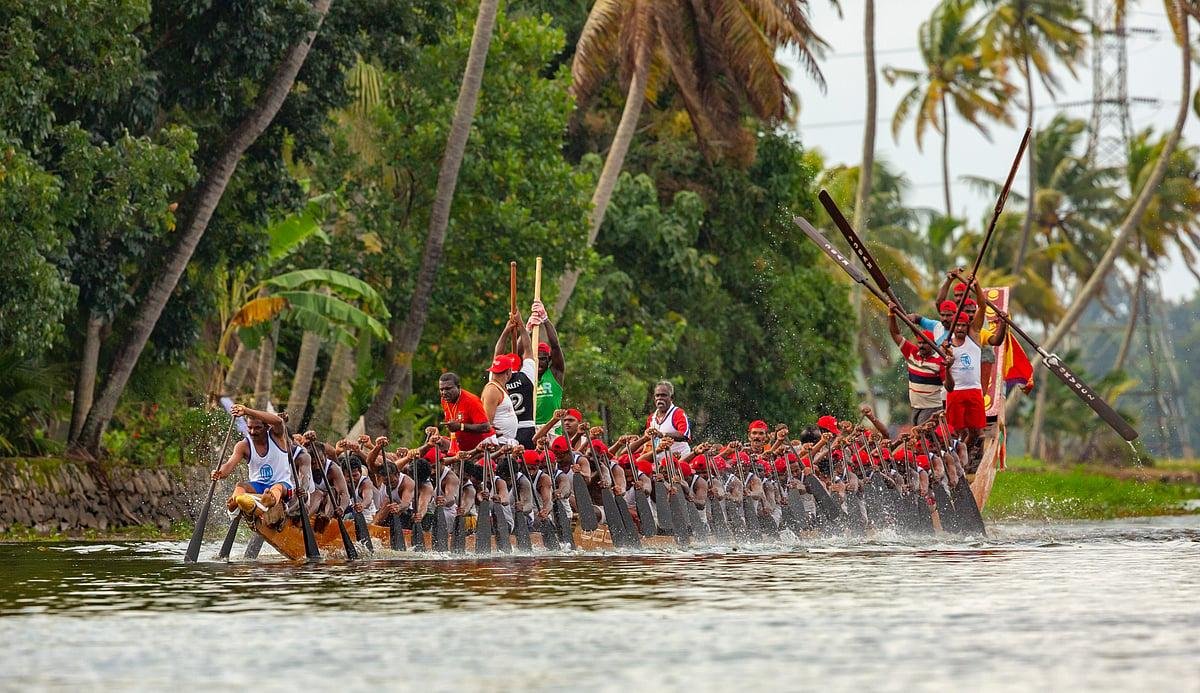
From a houseboat anchored on the racing water, you experience Vallam Kali in its actual context. Not observation from distance. Participation in the water’s energy. The boats moving at speed you can appreciate directly. The sound of Vanchipattu carried across water. The cheering from both boats and shores immediate and powerful.
The Festival Schedule on the Backwaters
Onam spreads across ten days, each with its own significance. Spice Routes coordinates houseboat movements to capture different elements throughout the festival.
Early days see Pookalam preparations dominating. Villages quieter. The intensity building gradually. You cruise through canals watching daily rituals. The rhythm unhurried initially.
Mid festival days bring more community activity. Vallam Kali preparation visible. Boat builders active. Music rehearsals heard from villages. The energy noticeably escalating. Your houseboat experiences this shift directly.
Later days approach Thiruvonam culmination. The pace quickens. More boats visible. Preparation becomes frantic. Energy peaks. The anticipation tangible even on the water.
Thiruvonam itself brings the grand climax. The Sadya feasts. The major Vallam Kali races. The celebrations reaching their height. On a houseboat, you’re close enough to feel the excitement without being trapped in massive shore crowds.
Post Thiruvonam, the festival winds down gradually. Some celebrations extend through Avvittom, a day after the main celebration. By then, the intensity has released. The backwaters return gradually to normal rhythms.
Traditional Arts During Onam
Beyond races and feasts, Onam hosts classical performances. Kathakali dance drama. Mohiniyattam. Kummattikali mask dances. Pulikali tiger dances (particularly in Thrissur). These performances happen both in villages and organized venues.
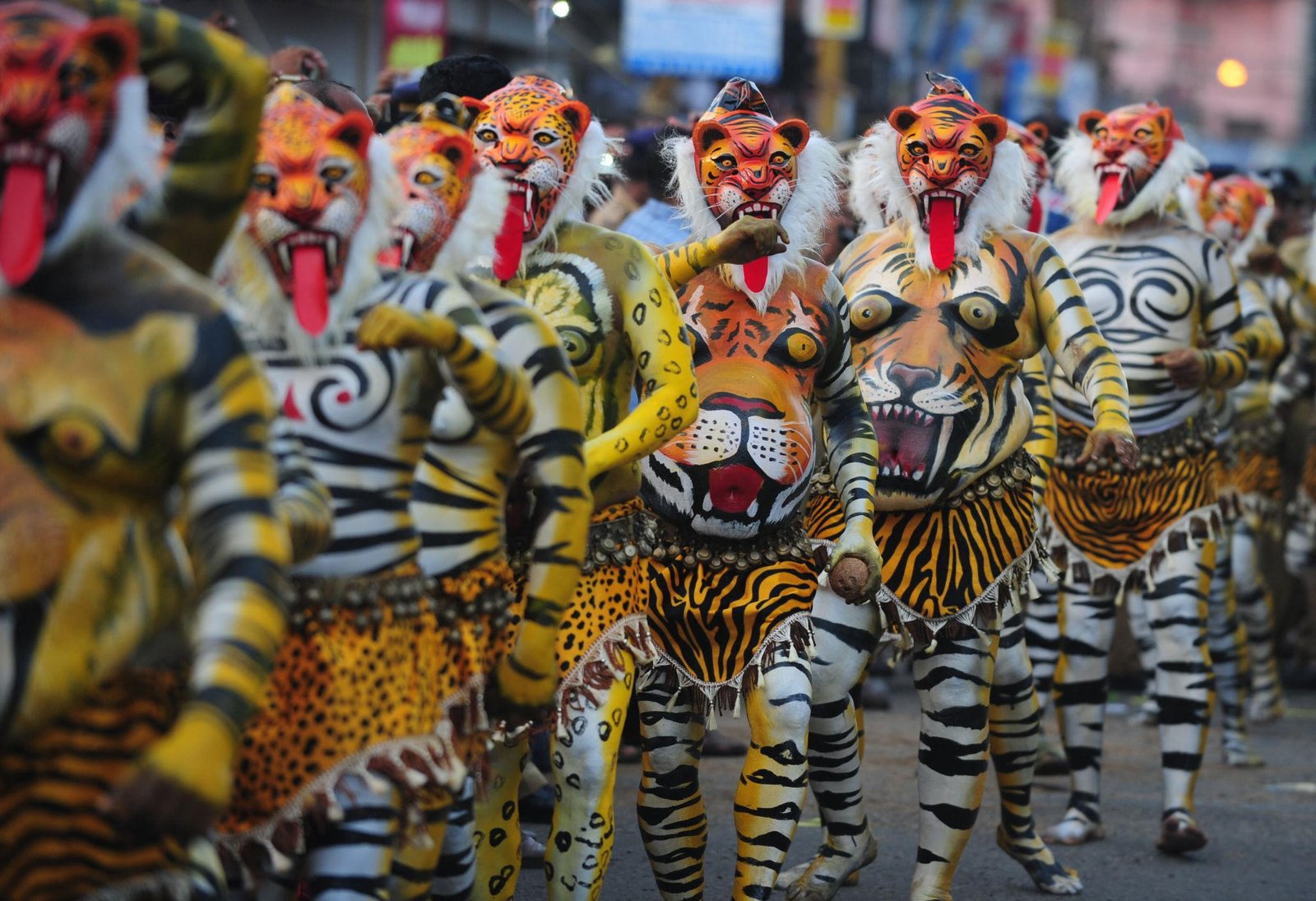
Spice Routes can arrange access to village cultural performances or coordinate shore visits to see larger scale productions. The houseboat becomes home base, returning there each evening as performances conclude. You get cultural immersion without permanent shore living during festival.
The music and performances reflect Onam’s spiritual significance. Lord Vamana and Lord Vishnu honored. The ancestral King Mahabali celebrated. The mythology underlying modern festival becomes visible through classical arts. Understanding deepens by witnessing performances explaining the stories directly.
Family and Community Elements
Onam is fundamentally about family. Extended families gather. Generations celebrate together. If you’re traveling as family or group, the houseboat environment supports this beautifully. Private cabins mean privacy when needed. Shared deck spaces mean together time. The natural pace of houseboat life accommodates family rhythms.
Wearing new clothes gifts, traditional during Onam, happens naturally on houseboats. Many guests dress in traditional Kerala attire (kasavu mundu or saree). Spice Routes can arrange traditional dress rental if desired. Your houseboat becomes space where you genuinely participate in festival customs rather than watching externally.
The Monsoon Context
Onam falls during monsoon season technically, but the dates (late August into early September) mean the most intense rainy period has passed. You might experience afternoon showers. The humidity remains high. But the daily life operates normally. The festival proceedings don’t pause for weather.
From a houseboat, monsoon adds rather than detracts. The greenery is at peak intensity. The landscape vibrant. The refreshing water presence of monsoon connects to Onam’s agricultural roots. The festival celebrates harvest and gratitude for water’s blessing. Monsoon’s presence reinforces those themes.
Practical Onam Week Considerations
Spice Routes manages increased August tourism carefully. Onam week brings more travelers than typical months. Rather than compete with other operators for prime positions, Spice Routes uses their established village relationships and operational knowledge to secure access. You experience festival intensity without sacrificing houseboat comfort or service quality.
Food sourcing becomes part of the Onam experience itself. Fresh ingredients appear in village markets specifically for festival. Local suppliers activate with seasonal produce. The chef on your houseboat sources from these vendors. You eat food literally harvested or prepared for Onam.
Booking during Onam week requires earlier planning than other periods. August is most popular Kerala month historically, and Onam week intensifies that. Securing preferred houseboats and dates demands booking months ahead. But Spice Routes maintains their year round operational standards regardless of booking pressure.
Why Onam From a Houseboat Works
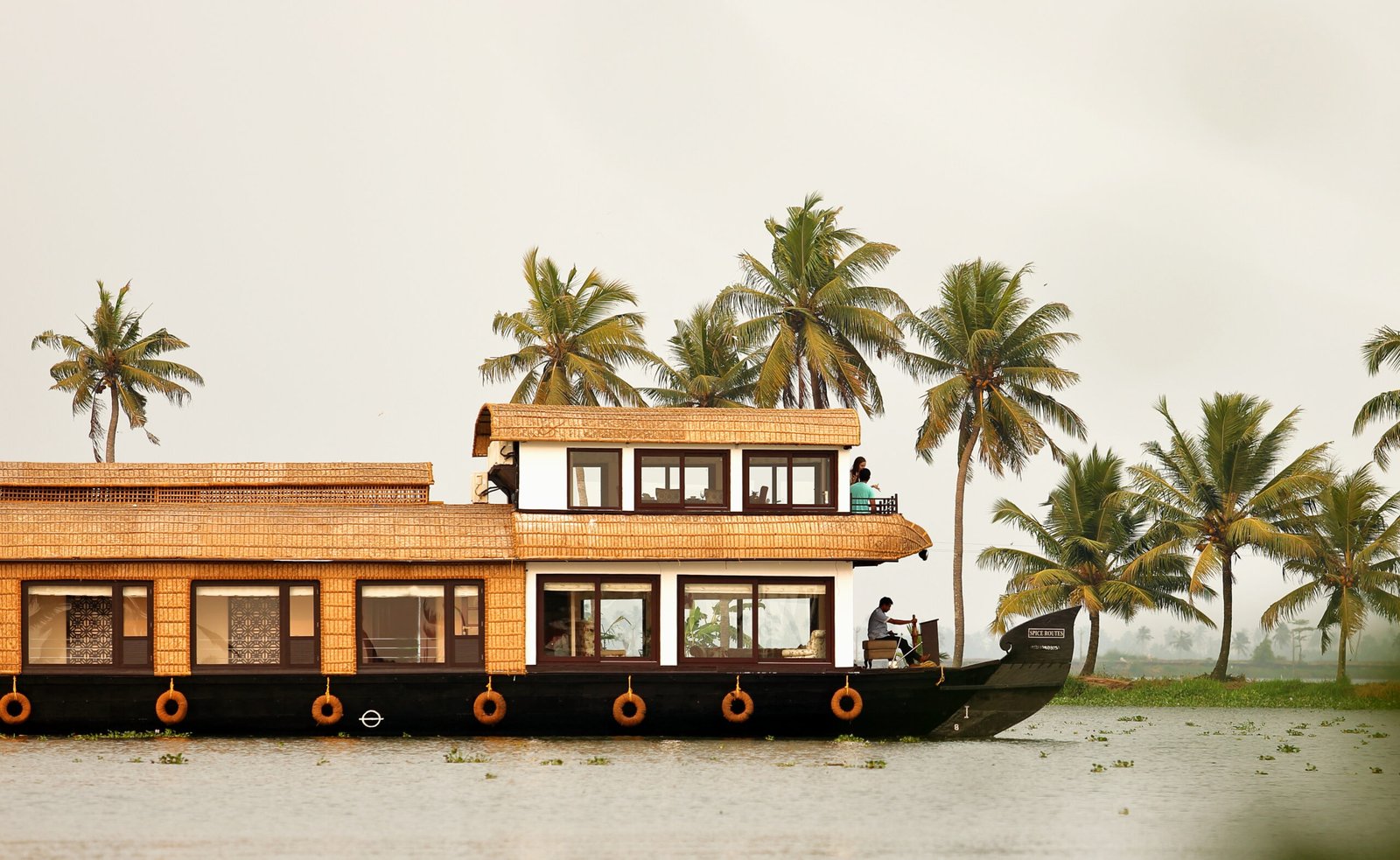
You’re neither tourist observing nor casual participant missing context. You’re insider enough to understand. Distant enough to process experience. The houseboat positioning facilitates both immersion and reflection.
The private chef preparing Sadya onboard connects you to festival food traditions intimately. The Vallam Kali proximity places you in racing energy without overwhelming crowds. The village canals reveal normal Onam community life. The Spice Routes crew, many from Kerala villages, provide cultural interpretation and local knowledge.
Over ten days, Onam unfolds around you. You experience it daily, deeply, connected to the backwater environment where the festival originated.
Spice Routes: spiceroutes.in
Leave a Reply